Smart Ways to Take Care of Your Home

Smart ways to take care of your home help keep living spaces clean, safe, and comfortable over time. A home is not only a place to live but also a space that supports daily routines. When basic care habits are followed regularly, small problems can be avoided before they become larger issues. This article explains smart ways to take care of your home using simple steps that anyone can understand and follow.

The focus is on easy, practical actions that fit into everyday life. No special skills are required. Each section explains why a habit matters and how it helps maintain a healthy home environment.
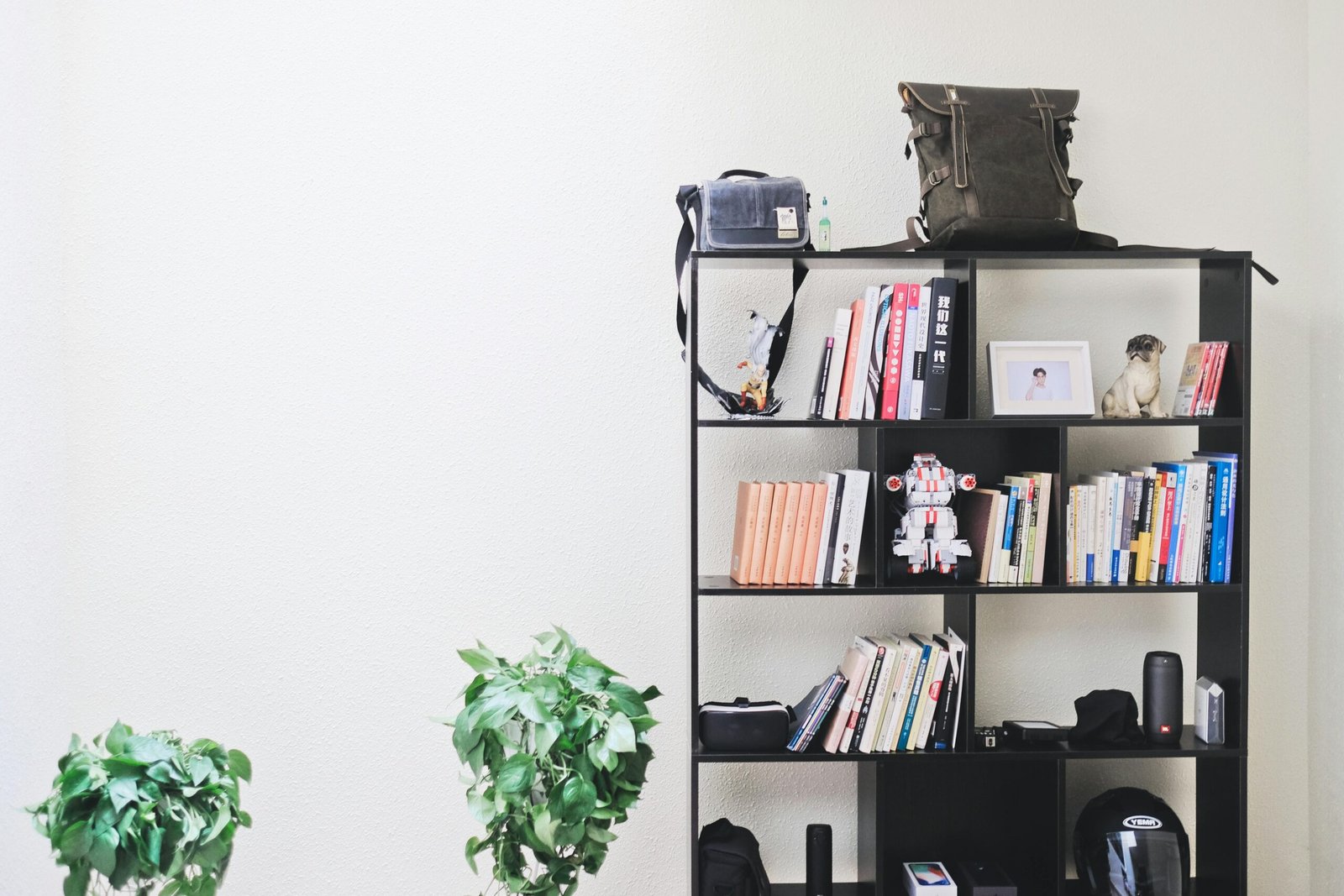
Clean and organized home interior with bookshelf, indoor plants, and neatly arranged items

Smart Ways to Take Care of Your Home by Building Daily Habits

Daily habits play an important role in home care. Small actions done every day help prevent clutter, dirt, and damage.

For example, placing items back in their usual spots after use keeps rooms organized. Wiping kitchen counters after cooking helps stop stains from setting. Over time, these habits reduce the need for deep cleaning.

Daily habits also save time. Instead of spending hours cleaning once a week, short daily tasks keep things manageable. As a result, the home stays tidy with less effort.

Smart Ways to Take Care of Your Home Through Regular Cleaning

Regular cleaning is one of the most effective ways to protect a home. Dust and dirt can build up quickly if ignored.

Sweeping floors, cleaning surfaces, and washing commonly used items help maintain hygiene. For example, cleaning door handles and light switches reduces the spread of germs in shared spaces.

Cleaning does not need to be done all at once. Instead, tasks can be divided across days. Over time, this routine helps maintain a clean and welcoming home environment.

Smart Ways to Take Care of Your Home by Managing Clutter

Clutter can make a home feel crowded and stressful. Managing clutter is an important part of home care.

Unused items can be stored properly or removed when no longer needed. For instance, keeping only essential items on tables creates more space and makes cleaning easier.

Storage solutions such as boxes or shelves help keep belongings organized. As a result, rooms appear cleaner and more comfortable without extra effort.

Smart Ways to Take Care of Your Home by Protecting Floors and Surfaces

Floors and surfaces experience daily wear. Protecting them helps extend their lifespan.

Using mats near entrances reduces dirt brought inside. Wiping spills quickly prevents stains on floors and tables. For example, drying water near sinks helps avoid surface damage.

Over time, simple protective habits keep floors and surfaces looking clean and well-maintained.

Smart Ways to Take Care of Your Home with Proper Ventilation

Good airflow helps maintain indoor comfort. Proper ventilation reduces moisture and stale air.

Opening windows for a short time allows fresh air to circulate. This is especially helpful after cooking or cleaning.

Bathrooms and kitchens benefit from ventilation because moisture can build up in these areas. Over time, good airflow supports a fresher and healthier home environment.

Smart Ways to Take Care of Your Home by Checking for Small Issues

Small issues can turn into larger problems if ignored. Regular checks help catch concerns early.

For example, noticing a loose handle or minor leak allows quick attention. Fixing small problems early helps prevent further damage.

A simple monthly check around the home can make a big difference. As a result, maintenance becomes easier and less stressful.

Smart Ways to Take Care of Your Home Through Safe Storage

Safe storage helps protect both people and belongings. Items should be stored in a way that avoids accidents.

Heavy objects can be placed on lower shelves to reduce risk. Cleaning supplies can be stored away from living areas.

Organized storage also saves time. When items are easy to find, daily tasks become simpler and smoother.

Smart Ways to Take Care of Your Home by Caring for the Kitchen

The kitchen is one of the most used spaces in a home. Regular care keeps it clean and functional.

Cleaning surfaces after food preparation helps maintain hygiene. Washing dishes promptly prevents odors and buildup.

Checking storage areas for expired items keeps the kitchen organized. Over time, these habits support a clean and efficient cooking space.

Smart Ways to Take Care of Your Home by Maintaining the Bathroom

Bathrooms require regular attention due to moisture and frequent use.

Wiping surfaces after use helps reduce water marks. Keeping drains clear supports proper water flow.

Using simple routines, such as drying sinks and keeping towels clean, helps maintain freshness and cleanliness over time.

Smart Ways to Take Care of Your Home by Organizing Living Spaces

Living spaces should feel comfortable and functional. Organization helps achieve this balance.

Arranging furniture to allow easy movement improves comfort. Keeping frequently used items within reach supports daily activities.

Regularly adjusting and organizing living spaces helps the home adapt to changing needs.

Smart Ways to Take Care of Your Home by Protecting Furniture

Furniture care helps maintain appearance and comfort.

Dusting regularly prevents buildup. Using covers where needed helps protect surfaces from wear.

For example, keeping furniture away from direct moisture reduces damage. Over time, simple care habits help furniture last longer.

Smart Ways to Take Care of Your Home Through Seasonal Care

Different seasons bring different home care needs.

During rainy periods, checking entryways helps manage dirt and moisture. In warmer months, ventilation becomes more important.

Adjusting care routines with the seasons supports long-term home comfort and protection.

Smart Ways to Take Care of Your Home by Creating Simple Routines

Routines make home care easier to manage.

Creating a weekly plan for cleaning and checks helps maintain consistency. For example, assigning one task per day keeps workloads light.

Over time, routines turn home care into a natural part of daily life rather than a burden.

Smart Ways to Take Care of Your Home Through Mindful Use

How a home is used affects its condition.

Turning off lights when not needed helps maintain fixtures. Using appliances carefully supports longer use.

Mindful habits reduce unnecessary wear and help keep the home in good condition.

Smart Ways to Take Care of Your Home by Involving Everyone

Home care becomes easier when shared.

Assigning simple tasks to household members encourages responsibility. For example, children can help keep their spaces tidy.

Working together supports a cleaner and more organized home environment.
Easy Cleaning Tips Anyone Can Follow

Keeping a home clean does not need special skills or complex routines. Many people believe cleaning is difficult because they do not know where to start. However, easy cleaning tips anyone can follow can help make everyday cleaning simple and manageable. These tips focus on basic actions that fit into daily life. With clear steps and simple habits, anyone can keep their living space clean, safe, and comfortable.

This guide explains cleaning in a clear and practical way. It uses everyday examples and simple language so beginners can understand each step easily.

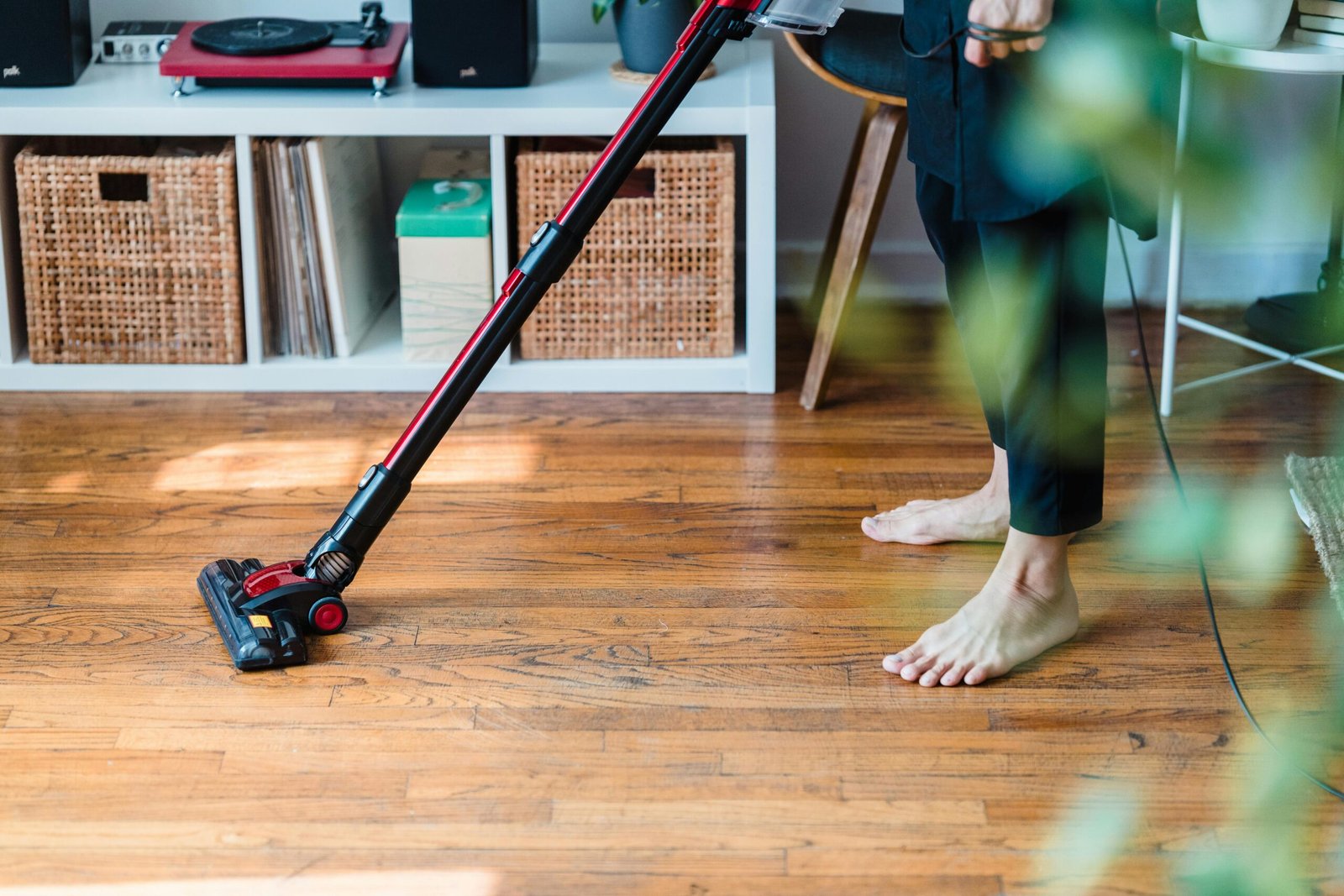
A person vacuuming a wooden floor at home as part of a simple daily cleaning routine

Understanding Why Simple Cleaning Matters

Cleaning helps remove dust, dirt, and everyday mess from the home. When cleaning happens regularly, dirt does not build up over time. As a result, rooms stay fresh and easier to manage.

Simple cleaning also helps keep surfaces usable. For example, wiping a table after meals prevents food stains from drying. Over time, this saves effort and keeps items in good condition.

Easy Cleaning Tips Anyone Can Follow Every Day

Small daily actions make cleaning easier. These steps take only a few minutes but help reduce mess.

Making the bed each morning keeps the bedroom organized. Washing dishes soon after use prevents sink buildup. Placing items back after use keeps rooms neat.

These easy cleaning tips anyone can follow work because they prevent clutter before it grows.

Start Cleaning With a Clear Plan

A simple plan helps avoid confusion. Cleaning works best when tasks follow a clear order.

Start from one corner of the room and move across. Finish one space before moving to another. This approach helps avoid missed areas and saves time.

For example, clean the bedroom before the living room instead of switching back and forth.

Keep Cleaning Tools Simple and Accessible

Basic tools are enough for most cleaning tasks. A cloth, a broom, and water handle many surfaces safely.

Keeping tools in one place helps start cleaning quickly. When tools are easy to find, cleaning feels less stressful.

For example, storing a cloth in the kitchen allows quick countertop cleaning after cooking.

Cleaning One Room at a Time

Focusing on one room improves efficiency. It keeps attention on a single space.

Clean the bedroom fully before moving to the kitchen. This method helps track progress clearly. It also prevents half-cleaned areas.

As a result, cleaning feels more organized and manageable.

Simple Kitchen Cleaning Steps

The kitchen often needs daily attention. Food spills and crumbs can appear quickly.

Wipe counters after meals. Sweep the floor once a day. Wash dishes regularly to avoid buildup.

These steps reduce mess and keep cooking areas ready for use.

Easy Bathroom Cleaning Basics

Bathrooms need simple but regular care. Moisture can lead to stains if ignored.

Wipe sinks after use. Rinse surfaces with water during regular use. Clean mirrors with a dry cloth to remove marks.

These actions keep the bathroom clean without extra effort.

Bedroom Cleaning Made Simple

Bedroom cleaning focuses on comfort and order.

Make the bed daily. Place clothes in their proper spots. Dust surfaces once or twice a week.

These steps help maintain a calm and tidy sleeping area.

Living Room Cleaning for Daily Use

Living rooms collect dust and everyday items.

Put away items after use. Sweep or vacuum regularly. Wipe tables and shelves gently.

Keeping this space clean helps it stay welcoming for daily activities.

Safe Floor Cleaning for All Homes

Floors collect dust and dirt from daily movement.

Sweep floors regularly. Mop with clean water when needed. Allow floors to dry before walking.

This routine helps protect surfaces and keeps floors clean.

Cleaning as You Go Throughout the Day

Cleaning does not need to happen all at once.

Wipe spills immediately. Put items away after use. Handle small messes as they appear.

Over time, this habit reduces the need for long cleaning sessions.

Using Time Wisely During Cleaning

Short cleaning sessions work well for busy days.

Set aside small blocks of time. Focus on one task per session.

For example, clean the sink while waiting for water to heat. These moments add up over time.

Keeping Cleaning Safe and Simple

Safety matters during cleaning.

Avoid mixing substances. Use clean water for wiping surfaces. Keep floors dry to prevent slips.

Simple care keeps cleaning tasks safe for everyone.

Teaching Children Simple Cleaning Habits

Children can learn basic cleaning skills.

Show how to put toys away. Explain wiping surfaces gently. Encourage small tasks.

These habits help children understand responsibility in a safe way.

Staying Consistent With Cleaning Routines

Consistency keeps cleaning easy.

Choose specific times for certain tasks. Follow the same routine each day.

As a result, cleaning becomes a normal part of daily life.

Managing Cleaning in Small Spaces

Small spaces need regular attention.

Keep items organized. Clean surfaces often. Avoid overcrowding.

These steps help small areas feel open and tidy.

Managing Cleaning in Large Homes

Large homes benefit from divided tasks.

Clean one section at a time. Rotate tasks across days.

This approach prevents overwhelm and keeps all areas clean.

Seasonal Cleaning Without Stress

Seasonal cleaning focuses on deeper care.

Dust hidden areas. Clean windows when needed. Organize storage spaces.

Spreading these tasks over time keeps the process simple.

Common Cleaning Mistakes to Avoid

Avoid skipping small messes. Do not clean without a plan. Avoid using dirty cloths on surfaces.

Correcting these habits improves cleaning results.

How Easy Cleaning Tips Build Better Habits

Regular cleaning builds positive routines.

Small actions become habits. Over time, cleaning feels easier and quicker.

These easy cleaning tips anyone can follow support long-term cleanliness.

How to Make Your Home Feel Cozy

Learning how to make your home feel cozy is about understanding comfort, warmth, and balance inside living spaces. A cozy home supports daily life by making rooms feel calm, welcoming, and easy to use. This topic focuses on simple home adjustments that improve comfort without complex design knowledge.

This guide explains how light, color, furniture placement, textures, and daily habits work together. Each section uses clear language and everyday examples. The goal is to help beginners understand how small changes influence how a home feels over time.

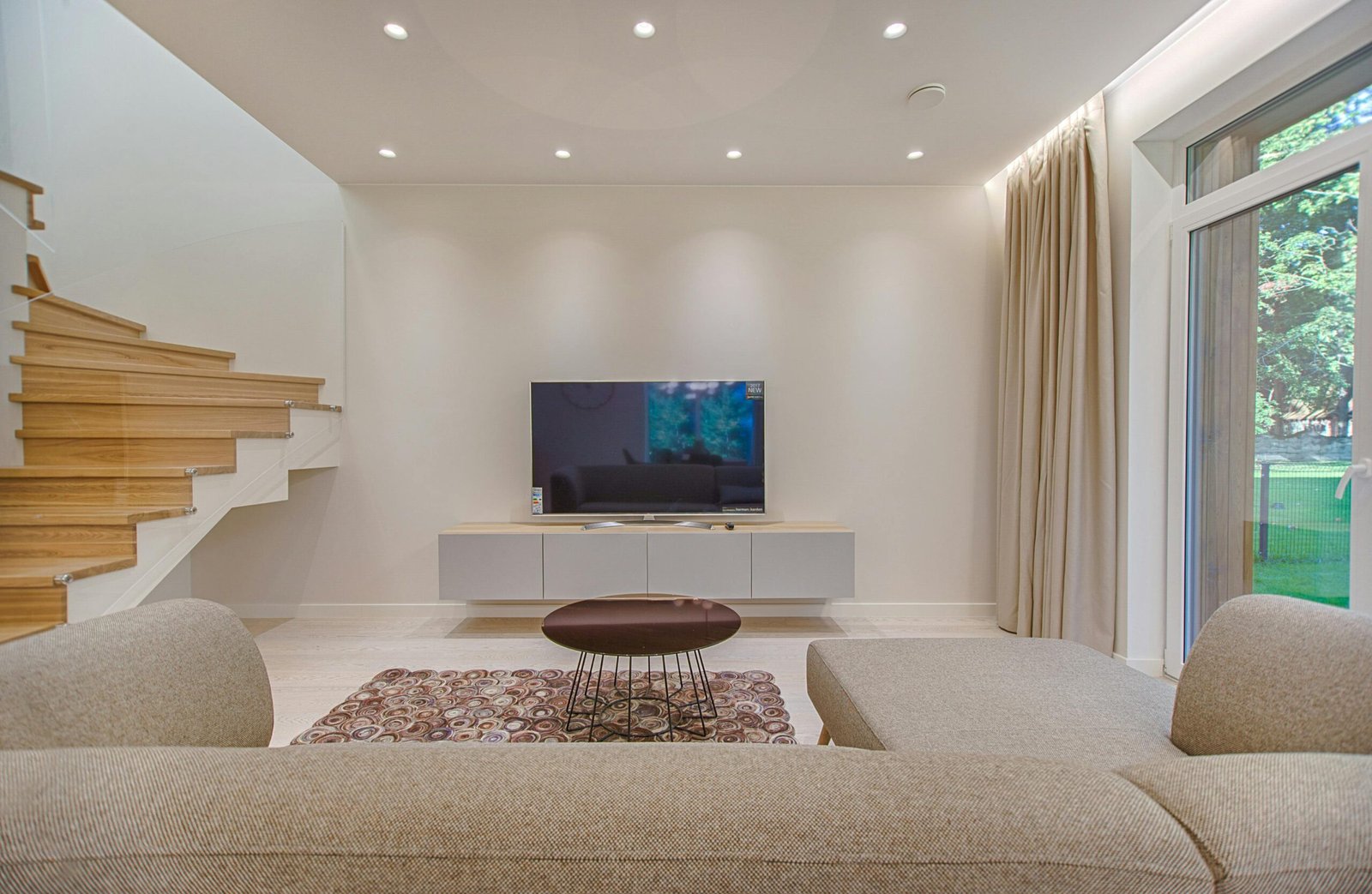
A cozy living room with soft lighting, neutral colors, and comfortable seating

Understanding What Makes a Home Feel Cozy

A cozy home usually feels warm, calm, and balanced. It does not depend on size or location. Instead, it depends on how spaces support daily activities.

Comfort often comes from softness, gentle light, and organized layouts. When rooms feel easy to move through, people feel more relaxed. As a result, the home feels more welcoming.

Cozy spaces also reduce visual noise. Fewer distractions allow the mind to rest. Over time, this creates a sense of ease and familiarity.

How to Make Your Home Feel Cozy With Proper Lighting

Lighting plays a major role in how rooms feel. Bright, harsh light can make spaces feel cold. Softer light creates warmth and balance instead.

Using multiple light sources helps spread light evenly. For example, a ceiling light can support visibility, while table lamps add gentle brightness. As a result, rooms feel calmer in the evening.

Natural light also matters. Opening curtains during the day allows sunlight to enter. This supports comfort and improves how colors appear in the room.

Choosing Calm and Balanced Colors

Color influences mood and comfort. Soft, neutral colors often help spaces feel calm. These include gentle shades that do not overwhelm the eyes.

Walls, floors, and large furniture surfaces affect how color spreads. When these areas use calm tones, rooms feel more open. As a result, people feel less tension in the space.

Small color accents can add warmth. For example, cushions or rugs in gentle tones create balance without clutter.

Using Soft Textures to Add Warmth

Texture affects how a room feels both visually and physically. Soft materials often make spaces feel warmer and more inviting.

Items such as fabric cushions, curtains, or blankets add comfort. These materials reduce harsh lines and create visual softness.

Mixing textures also helps. Smooth surfaces combined with soft fabrics create balance. Over time, this makes the room feel layered and comfortable.

Furniture Placement and Comfortable Flow

Furniture arrangement affects movement and comfort. When furniture blocks pathways, rooms feel crowded. Clear walking areas improve ease of use.

Placing seating where people naturally gather supports connection. For example, chairs facing each other encourage conversation.

Leaving small open spaces around furniture prevents heaviness. As a result, rooms feel lighter and more welcoming.

Keeping Rooms Organized and Clutter-Free

Clutter can reduce comfort quickly. Too many visible items create visual stress. Organized spaces feel calmer and easier to use.

Storage solutions help manage everyday items. Baskets, shelves, and drawers keep objects in place. This supports a tidy appearance.

Regular organization habits prevent buildup. Over time, this helps maintain a cozy feeling throughout the home.

Adding Personal and Familiar Elements

Personal items help a house feel lived in. These items remind people of daily routines and memories.

Examples include family photos, handmade items, or books. When placed thoughtfully, these items add warmth without overcrowding.

Keeping displays simple prevents distraction. As a result, personal items support comfort rather than clutter.

How to Make Your Home Feel Cozy Through Daily Habits

Daily habits influence how spaces feel. Simple routines support comfort without changing physical design.

Opening windows for fresh air improves indoor comfort. Regular cleaning keeps surfaces pleasant to use.

Adjusting lighting in the evening helps signal rest time. Over time, these habits support a calm home environment.

Temperature and Air Comfort Inside the Home

Comfort also depends on temperature and air quality. Rooms that feel too cold or too warm can reduce coziness.

Using appropriate ventilation helps maintain balance. Fresh air supports comfort and reduces heaviness in rooms.

Soft furnishings can also help retain warmth. As a result, spaces feel more stable and pleasant during daily use.

Sound and Quiet Balance in Living Spaces

Sound affects how a home feels. Loud or echoing spaces may feel uncomfortable. Soft surfaces help absorb sound.

Curtains, rugs, and cushions reduce noise reflection. This creates a quieter environment.

Maintaining a balance between quiet and everyday sounds supports relaxation. Over time, this contributes to a cozy atmosphere.

Creating Cozy Spaces in Small Homes

Small homes can feel cozy with thoughtful planning. Using light colors helps rooms feel open.

Multi-use furniture supports function without overcrowding. Clear storage keeps surfaces open.

Keeping decorations minimal prevents visual overload. As a result, small spaces feel comfortable and organized.

Creating Cozy Spaces in Larger Homes

Larger homes need defined areas to feel cozy. Open spaces can feel empty without structure.

Using rugs or lighting helps define zones. For example, a seating area feels more inviting when clearly outlined.

Breaking large rooms into smaller sections supports comfort. Over time, this makes large homes feel more personal.

Seasonal Adjustments for Ongoing Comfort

Homes change with seasons. Adjusting fabrics and lighting supports comfort year-round.

Lighter materials feel better during warm months. Thicker textures add warmth in cooler periods.

Making small seasonal changes helps maintain balance. As a result, the home feels comfortable throughout the year.


Little Home Ideas That Bring Comfort

Comfort at home does not always come from big changes. Often, small and thoughtful actions make a home feel calm and welcoming. Little home ideas that bring comfort focus on simple habits, gentle design choices, and everyday routines. These ideas help people feel relaxed, organized, and at ease in their living space. This article explains practical and easy ways to create comfort at home using simple steps that anyone can understand and apply.

Little home ideas that bring comfort with a clean and calm living room interior

Understanding Comfort in a Home Environment

Comfort in a home means feeling safe, relaxed, and supported in daily life. It includes physical comfort, such as seating and lighting. It also includes emotional comfort, such as calm spaces and familiar routines.

Many people think comfort requires expensive furniture or large renovations. However, comfort often comes from small details. Over time, these small details make daily life easier and more pleasant.

Little Home Ideas That Bring Comfort Through Lighting

Lighting affects how a room feels throughout the day. Bright light supports tasks like reading or cooking. Soft light helps the body relax, especially in the evening.

Using table lamps instead of only ceiling lights creates a gentle atmosphere. Natural light during the day also helps spaces feel open. Keeping windows clean allows more daylight to enter, which improves comfort naturally.

Simple Furniture Placement for Everyday Ease

Furniture placement affects how people move around a room. Clear walking paths reduce stress and make spaces feel open. Even small rooms feel better when furniture is arranged thoughtfully.

Placing chairs near windows creates a pleasant sitting area. Keeping frequently used items within easy reach saves effort. As a result, daily activities feel smoother and more comfortable.

Soft Textiles That Improve Daily Comfort

Textiles play an important role in how a home feels. Curtains, rugs, and cushions soften hard surfaces and reduce noise. They also help regulate temperature during different seasons.

Light blankets on chairs provide warmth when needed. Floor rugs help protect feet from cold surfaces. These simple additions support comfort without changing the structure of a home.

Keeping Rooms Calm With Simple Colors

Color influences mood and focus. Soft and neutral colors help rooms feel calm and balanced. Light shades reflect light and make spaces feel larger.

Using one or two main colors in a room reduces visual clutter. Over time, this helps create a peaceful environment. Calm spaces support relaxation and clear thinking during daily routines.

Clean and Organized Spaces Support Comfort

A clean home does not need to look perfect. Instead, it should feel manageable and functional. Regular light cleaning prevents clutter from building up.

Simple storage solutions help keep items in place. When everything has a clear location, daily tasks become easier. As a result, people feel less overwhelmed in their home environment.

Small Daily Routines That Build Comfort

Routines help create stability and predictability at home. Simple habits, such as opening windows in the morning or tidying before bedtime, support comfort.

These routines do not need to take much time. Consistent small actions help maintain a pleasant living space. Over time, these habits become part of everyday life.

Little Home Ideas That Bring Comfort Through Scent

Smell strongly affects how people experience a space. Fresh air helps remove unwanted odors and refresh rooms. Opening windows regularly supports air quality.

Keeping kitchens and bathrooms clean also helps maintain pleasant scents. Natural smells, such as clean fabric or fresh air, contribute to a comfortable environment without effort.

Sound Management for a Peaceful Home

Noise can affect comfort without people noticing. Soft materials absorb sound and reduce echo. Curtains and rugs help lower noise levels naturally.

Reducing background noise supports focus and relaxation. Quiet spaces help people rest better and enjoy calm moments at home. Over time, sound control improves daily comfort.

Creating Comfort in Small Living Spaces

Small homes can feel comfortable with the right approach. Multi-use furniture saves space and improves function. Clear surfaces help rooms feel less crowded.

Using vertical storage keeps floors open. This improves movement and airflow. Small changes make limited spaces feel organized and supportive.

Bedroom Comfort Through Simple Adjustments

The bedroom should support rest and relaxation. Keeping the room tidy helps the mind unwind. Soft lighting in the evening prepares the body for sleep.

Comfortable bedding and clean sheets also improve rest quality. Simple routines, such as making the bed daily, help maintain a calm sleeping environment.

Comfortable Kitchen Habits for Daily Use

The kitchen is often used many times a day. Keeping tools organized saves time and effort. Clear counters make food preparation easier.

Simple cleaning after each use prevents buildup. As a result, the kitchen stays ready for daily tasks. A functional kitchen supports comfort through efficiency.

Bathroom Comfort With Small Changes

Bathrooms can feel more comfortable with small improvements. Keeping towels clean and dry improves daily use. Good lighting helps with grooming tasks.

Regular ventilation keeps the space fresh. These simple steps improve comfort without requiring large changes or special tools.

Entryway Comfort for Daily Transitions

The entryway connects the home to the outside world. Keeping it organized helps people enter and leave calmly. Storage for shoes and keys reduces confusion.

Clear entry spaces help create a smooth daily routine. Over time, this improves the overall feeling of comfort in the home.

Little Home Ideas That Bring Comfort Through Personal Items

Personal items help make a home feel familiar. Photos, books, or meaningful objects provide emotional comfort. Displaying a few items keeps spaces balanced.

Too many items can feel overwhelming. Selecting a small number helps maintain clarity. This balance supports emotional comfort while keeping rooms organized.

Maintaining Comfort Over Time

Comfort is not a one-time task. It develops through regular care and attention. Small adjustments based on daily needs keep homes supportive.

Observing what feels helpful or distracting allows gradual improvement. Over time, these small changes create a stable and comfortable living environment.

Simple Home Care Tips for Everyday Life

Simple home care tips for everyday life can make a real difference in how your home feels and functions. Many people think home care requires special skills or expensive tools. However, small daily habits can help keep your space clean, safe, and comfortable over time. With simple routines and mindful actions, home care becomes easier and less stressful. This guide explains practical ideas in a clear way, so anyone can follow them without feeling overwhelmed.

Clean and simple home interior with a flower vase showing calm everyday home care

Understanding the Basics of Everyday Home Care

Home care is not about perfection. Instead, it focuses on keeping things in good working order. When you care for your home regularly, problems are easier to notice and manage early. As a result, small issues do not turn into bigger concerns later.

Simple home care tips for everyday life often start with awareness. For example, noticing dirt buildup, strange smells, or loose handles helps you act quickly. Over time, this awareness becomes a habit. As a result, home care feels natural instead of forced.

Another basic idea is consistency. Doing a little each day can help more than doing a lot once in a while. This approach saves energy and keeps your home balanced.

Simple Home Care Tips for Everyday Life Start With Clean Habits

Clean habits are one of the easiest ways to care for your home. You do not need deep cleaning every day. Instead, small actions can help maintain order.

Wiping kitchen surfaces after cooking is a good example. Food spills can attract insects if left too long. By cleaning them right away, you reduce this risk. Similarly, rinsing sinks after use helps prevent stains and odors.

In living areas, putting items back in their place can help reduce clutter. Over time, clutter can make rooms feel smaller and harder to manage. A few minutes of tidying each day can help keep spaces open and calm.

In bathrooms, quick wipe-downs after use can help manage moisture. This habit can help reduce buildup on surfaces. As a result, the space stays fresher for longer.

Managing Dust and Air Quality at Home

Dust is a common issue in most homes. It builds up quietly and can make spaces feel dull. Regular dusting can help keep surfaces clean and air fresher.

Using a soft cloth or duster works well for shelves and tables. It helps remove dust without spreading it around. For floors, sweeping or vacuuming a few times a week can help maintain cleanliness.

Fresh air also plays an important role. Opening windows when possible allows air to move through rooms. This simple step can help reduce stale smells and moisture buildup.

Indoor plants can also support air quality. They can help create a calm environment. However, it is important to care for them properly to avoid excess water or pests.

Daily Kitchen Care for a Healthy Space

The kitchen is often the most used area in a home. Because of this, it benefits from regular attention. Simple habits can help keep it clean and organized.

Washing dishes soon after meals helps prevent buildup. When dishes pile up, they can feel overwhelming. Cleaning them early keeps the kitchen usable throughout the day.

Storing food properly is also important. Sealed containers help keep items fresh and reduce waste. Checking expiry dates from time to time can help you stay organized.

Wiping handles, switches, and counters can help reduce germs. These areas are touched often, so regular cleaning makes sense. Over time, these habits can help keep the kitchen comfortable for daily use.

Easy Bathroom Care Without Stress

Bathrooms need regular care because they deal with water and moisture. However, this care does not have to be complicated.

Drying surfaces after use can help manage moisture. For example, wiping the sink or shower area reduces water spots. As a result, surfaces stay cleaner for longer.

Emptying trash bins regularly also helps maintain freshness. Small bins can fill quickly, especially in shared bathrooms. Checking them often keeps the space tidy.

Keeping cleaning supplies nearby can make small tasks easier. When tools are easy to reach, quick cleanups feel less like a chore.

Organizing Living Spaces for Daily Comfort

Living spaces are where people relax and spend time together. Keeping these areas organized can help create a calm atmosphere.

Arranging furniture to allow easy movement is helpful. When spaces feel open, they are easier to use and clean. This layout can also improve comfort.

Using simple storage options can help manage items. For example, baskets or shelves keep things off the floor. As a result, cleaning becomes easier.

Regularly checking items you no longer use can also help. Removing unused objects creates more space. Over time, this habit can make rooms feel lighter and more welcoming.

Bedroom Care for Restful Living

Bedrooms should feel peaceful and clean. Simple home care tips for everyday life apply here as well.

Making the bed each morning is a small habit with a big effect. It helps the room look tidy right away. This simple action can also set a positive tone for the day.

Washing bed linens regularly helps maintain freshness. Clean fabrics support comfort and better rest. Checking pillows and blankets from time to time is also useful.

Keeping floors clear of clutter makes cleaning easier. It also reduces the chance of tripping. As a result, the bedroom feels safer and more relaxing.

Caring for Floors and Surfaces Over Time

Floors and surfaces face daily wear. Taking care of them helps maintain their appearance and function.

Sweeping or vacuuming removes dirt that can scratch surfaces. Doing this regularly helps protect floors over time. Using gentle methods is often enough for daily care.

Wiping spills quickly is also important. Liquids can damage surfaces if left too long. Quick action can help prevent stains and marks.

Placing mats near entrances can help reduce dirt inside the home. This small step helps protect floors and keeps cleaning tasks manageable.

Simple Storage and Decluttering Tips

Storage plays a big role in home care. When items have a place, homes feel easier to manage.

Grouping similar items together helps with organization. For example, keeping cleaning tools in one area saves time. This approach also reduces confusion.

Decluttering does not need to happen all at once. Instead, focusing on one area at a time can help. Over time, small efforts lead to noticeable results.

Keeping storage areas neat also helps you find things quickly. As a result, daily routines feel smoother and less stressful.

Lighting and Energy Awareness at Home

Lighting affects how a home feels. Clean light fixtures provide better brightness and improve comfort.

Dusting bulbs and covers allows light to spread evenly. This simple task can make rooms feel brighter without changing anything else.

Turning off lights when not in use supports energy awareness. While it may seem small, this habit can help manage overall use.

Using natural light during the day is another helpful idea. Opening curtains lets sunlight in and creates a pleasant atmosphere.


Page 1 of 4

Powered by HMClean & ©2026