
Smart Home Habits Everyone Should Know
Smart home technology makes life easier and more convenient. You can control lights, thermostats, and security systems with just your voice or phone. However, owning smart devices is only the first step. To truly benefit from them, you need to develop the right smart home habits.
Many people buy smart devices but never use them to their full potential. They might set them up once and forget about them. As a result, they miss out on the real benefits of home automation. The good news is that building better habits does not require technical skills. It simply takes a little awareness and consistency.
In this guide, you will learn practical smart home habits that everyone should know. These tips work for beginners and experienced users alike. They will help you save energy, improve security, and make your daily routines smoother.
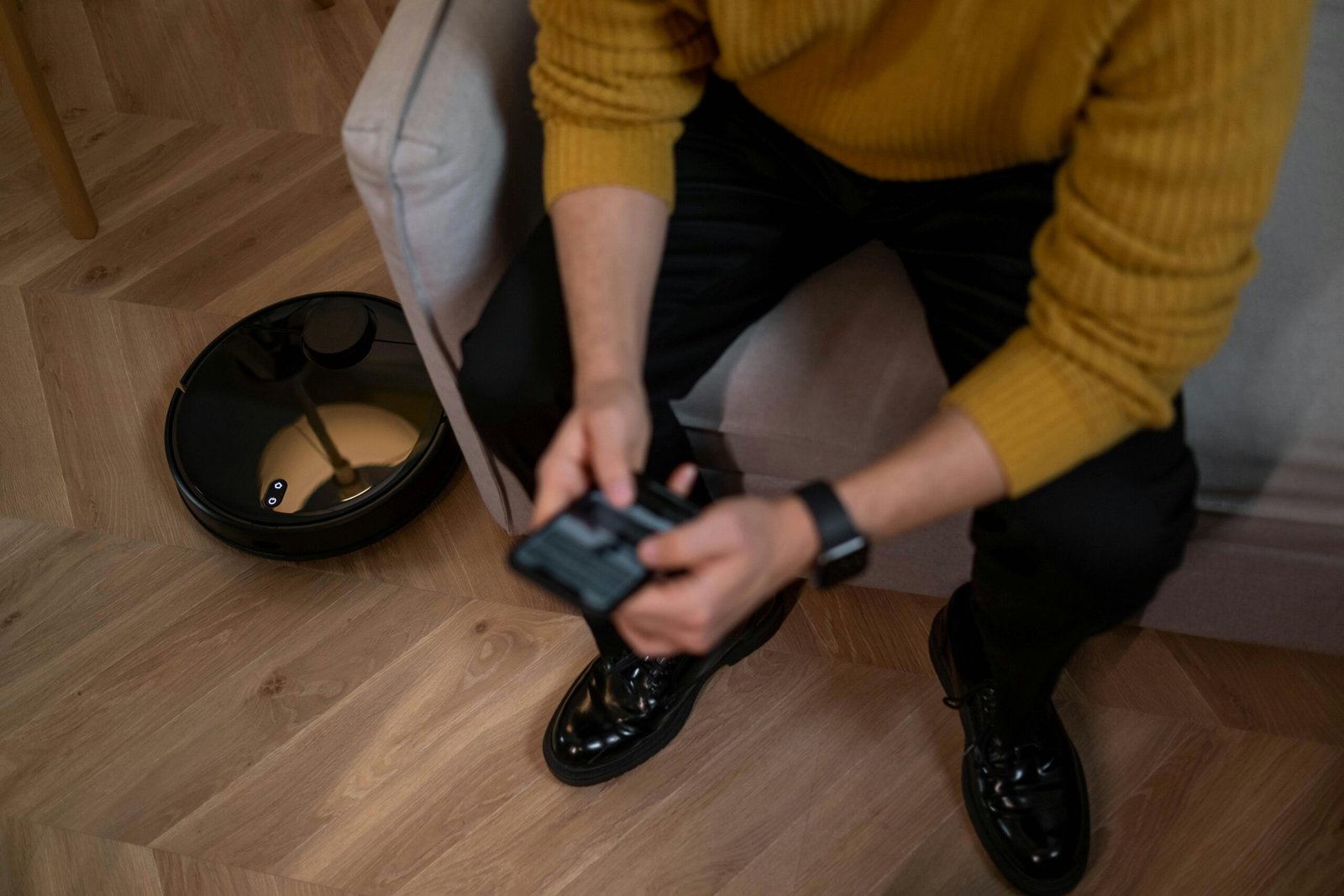
Start with a Clear Plan for Your Smart Home
Before you add more gadgets, take time to think about your goals. What do you want your smart home to do for you? Maybe you want to lower your electricity bill. Perhaps you want to feel safer when you travel. Your goals will shape the habits you build.
Write down the rooms where smart devices would help the most. For example, the living room might benefit from smart lights. The kitchen could use a smart plug for the coffee maker. When you have a plan, you avoid buying devices you do not need.
Over time, this habit saves you money. It also prevents clutter from unused gadgets. Remember, a smart home should simplify your life, not complicate it.
Create Strong and Unique Passwords for All Devices
Every smart device connects to your home network. This includes cameras, speakers, thermostats, and doorbells. If one device has a weak password, hackers could access your entire system. Therefore, strong passwords are essential.
Avoid using default passwords that come with the device. Change them immediately during setup. Use a mix of letters, numbers, and symbols. Do not use the same password for multiple devices.
For example, if someone guesses your smart speaker password, they should not also have access to your security camera. This habit protects your privacy and keeps your family safe.
Update Your Device Firmware Regularly
Manufacturers release updates to fix bugs and improve security. Ignoring these updates can leave your devices vulnerable. As a result, you should check for updates often.
Most smart home apps allow automatic updates. Turn this feature on if available. If not, set a reminder to check once a month. This small habit takes only a few minutes but provides lasting protection.
Updates also add new features sometimes. Therefore, you might discover useful functions you did not have before. Keeping everything current ensures your devices work their best.
Use Voice Commands for Everyday Tasks
Voice assistants like Alexa, Google Assistant, and Siri make smart homes truly convenient. However, many people forget to use them regularly. Instead, they walk across the room to flip a switch. This defeats the purpose of automation.
Train yourself to use voice commands for simple tasks. For instance, say “turn off the lights” when you leave a room. Ask your assistant to set timers while cooking. Request weather updates before heading outside.
These small actions become habits over time. They save you steps and make daily life feel effortless. Plus, they are fun and satisfying to use.
Set Routines for Morning and Evening
Routines are one of the most powerful features of smart homes. They allow multiple devices to work together automatically. For example, a good morning routine could slowly turn on lights, start the coffee maker, and raise the thermostat.
Evening routines work well too. You can program your home to lock doors, turn off lights, and lower the thermostat at bedtime. This ensures you never forget important tasks when you are tired.
Start with simple routines and build from there. Most apps make this process very easy. Over time, you will wonder how you managed without them.
Group Devices by Room or Function
Naming each device clearly helps you control them better. Instead of “light one” and “light two,” use names like “kitchen ceiling light” or “bedroom lamp.” This makes voice commands more accurate.
Grouping devices is another smart habit. You can put all living room lights in one group called “living room.” Then, one command controls them all. This works well for entertainment areas where you want multiple lights to change at once.
For example, saying “movie time” could dim all living room lights at once. This creates the perfect atmosphere without adjusting each light separately.
Monitor Energy Usage Regularly
Many smart plugs and thermostats track energy consumption. Use this data to find waste in your home. You might discover that certain devices run when no one is home. As a result, you can schedule them to turn off automatically.
Check your energy reports once a week at first. Look for patterns and make adjustments. For instance, if the heater runs during the day while everyone is out, adjust the schedule. These small changes add up to significant savings over time.
Being mindful of energy also helps the environment. Therefore, this habit benefits both your wallet and the planet.
Secure Your Wi-Fi Network
Your smart home depends on a strong Wi-Fi connection. However, security matters just as much as speed. Start by changing the default router password. Use WPA3 encryption if your router supports it. If not, WPA2 is still acceptable.
Create a guest network for visitors. Keep your smart devices on the main network but consider separating them from your computers. Some routers allow you to create an IoT network specifically for smart devices. This adds an extra layer of security.
Check connected devices regularly. If you see something unfamiliar, investigate immediately. Quick action prevents potential problems.
Use Motion Sensors for Automation
Motion sensors add convenience and save energy. Place them in hallways, bathrooms, and closets. Then, lights turn on automatically when someone enters. They turn off shortly after the room empties.
This habit is especially useful for families with children. Kids often forget to turn off lights. Motion sensors handle this automatically. As a result, you save electricity without nagging anyone.
You can also use motion sensors for security. Receive alerts when motion is detected while you are away. This gives you peace of mind during vacations or long workdays.
Teach Family Members How to Use the System
A smart home works best when everyone participates. Take time to show family members how things work. Demonstrate voice commands and app controls. Explain any routines you have set up.
Create simple instructions for guests too. Leave a note with basic commands like “turn on living room TV” or “set thermostat to 72.” This helps visitors feel comfortable and prevents confusion.
When everyone understands the system, you avoid frustration. Instead of shouting “how do I turn this off?” they will know exactly what to do.
Leave a Reply