
Comfort at home does not always come from big changes. Often, small and thoughtful actions make a home feel calm and welcoming. Little home ideas that bring comfort focus on simple habits, gentle design choices, and everyday routines. These ideas help people feel relaxed, organized, and at ease in their living space. This article explains practical and easy ways to create comfort at home using simple steps that anyone can understand and apply.
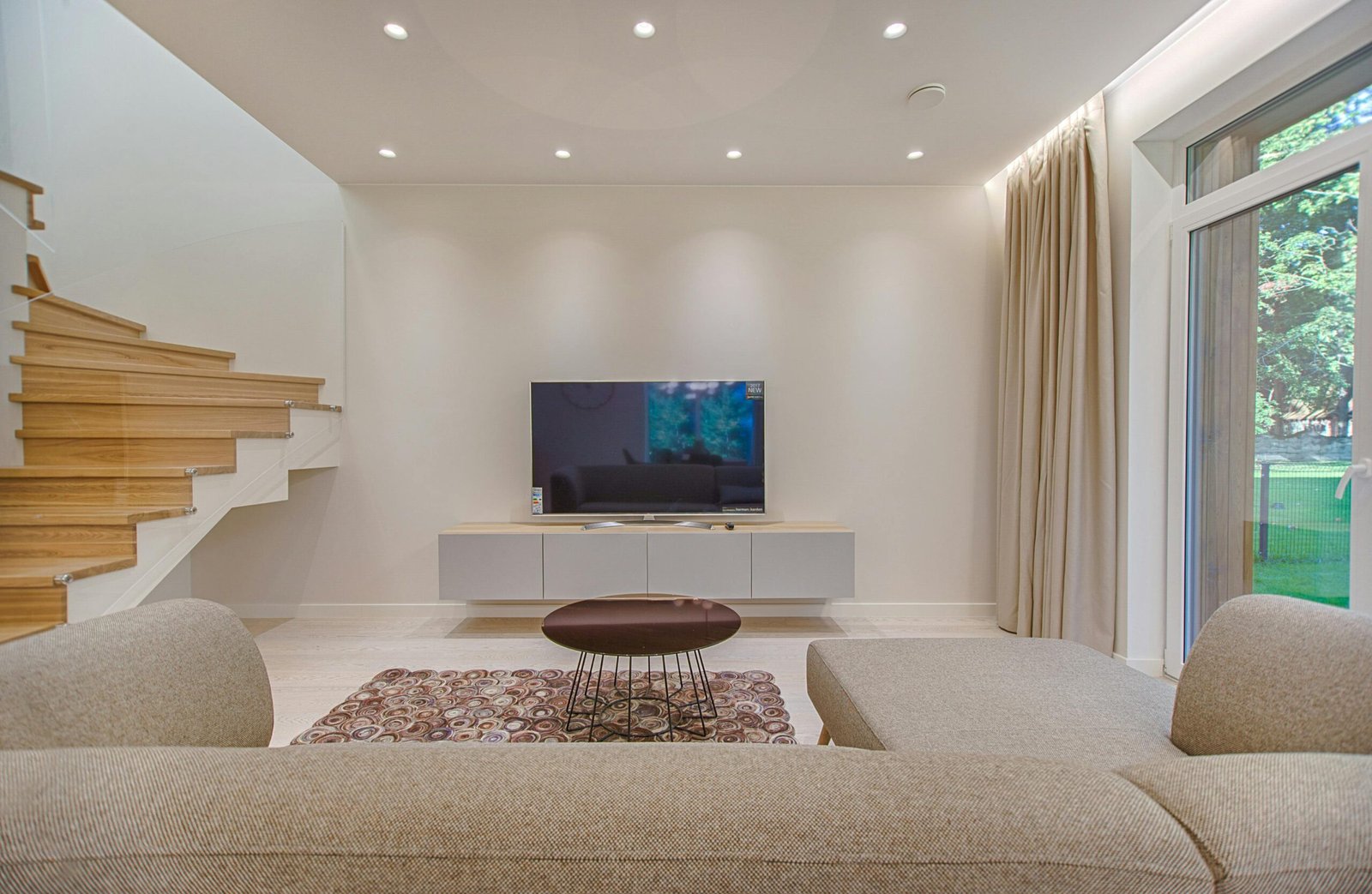
Understanding Comfort in a Home Environment
Comfort in a home means feeling safe, relaxed, and supported in daily life. It includes physical comfort, such as seating and lighting. It also includes emotional comfort, such as calm spaces and familiar routines.
Many people think comfort requires expensive furniture or large renovations. However, comfort often comes from small details. Over time, these small details make daily life easier and more pleasant.
Little Home Ideas That Bring Comfort Through Lighting
Lighting affects how a room feels throughout the day. Bright light supports tasks like reading or cooking. Soft light helps the body relax, especially in the evening.
Using table lamps instead of only ceiling lights creates a gentle atmosphere. Natural light during the day also helps spaces feel open. Keeping windows clean allows more daylight to enter, which improves comfort naturally.
Simple Furniture Placement for Everyday Ease
Furniture placement affects how people move around a room. Clear walking paths reduce stress and make spaces feel open. Even small rooms feel better when furniture is arranged thoughtfully.
Placing chairs near windows creates a pleasant sitting area. Keeping frequently used items within easy reach saves effort. As a result, daily activities feel smoother and more comfortable.
Soft Textiles That Improve Daily Comfort
Textiles play an important role in how a home feels. Curtains, rugs, and cushions soften hard surfaces and reduce noise. They also help regulate temperature during different seasons.
Light blankets on chairs provide warmth when needed. Floor rugs help protect feet from cold surfaces. These simple additions support comfort without changing the structure of a home.
Keeping Rooms Calm With Simple Colors
Color influences mood and focus. Soft and neutral colors help rooms feel calm and balanced. Light shades reflect light and make spaces feel larger.
Using one or two main colors in a room reduces visual clutter. Over time, this helps create a peaceful environment. Calm spaces support relaxation and clear thinking during daily routines.
Clean and Organized Spaces Support Comfort
A clean home does not need to look perfect. Instead, it should feel manageable and functional. Regular light cleaning prevents clutter from building up.
Simple storage solutions help keep items in place. When everything has a clear location, daily tasks become easier. As a result, people feel less overwhelmed in their home environment.
Small Daily Routines That Build Comfort
Routines help create stability and predictability at home. Simple habits, such as opening windows in the morning or tidying before bedtime, support comfort.
These routines do not need to take much time. Consistent small actions help maintain a pleasant living space. Over time, these habits become part of everyday life.
Little Home Ideas That Bring Comfort Through Scent
Smell strongly affects how people experience a space. Fresh air helps remove unwanted odors and refresh rooms. Opening windows regularly supports air quality.
Keeping kitchens and bathrooms clean also helps maintain pleasant scents. Natural smells, such as clean fabric or fresh air, contribute to a comfortable environment without effort.
Sound Management for a Peaceful Home
Noise can affect comfort without people noticing. Soft materials absorb sound and reduce echo. Curtains and rugs help lower noise levels naturally.
Reducing background noise supports focus and relaxation. Quiet spaces help people rest better and enjoy calm moments at home. Over time, sound control improves daily comfort.
Creating Comfort in Small Living Spaces
Small homes can feel comfortable with the right approach. Multi-use furniture saves space and improves function. Clear surfaces help rooms feel less crowded.
Using vertical storage keeps floors open. This improves movement and airflow. Small changes make limited spaces feel organized and supportive.
Bedroom Comfort Through Simple Adjustments
The bedroom should support rest and relaxation. Keeping the room tidy helps the mind unwind. Soft lighting in the evening prepares the body for sleep.
Comfortable bedding and clean sheets also improve rest quality. Simple routines, such as making the bed daily, help maintain a calm sleeping environment.
Comfortable Kitchen Habits for Daily Use
The kitchen is often used many times a day. Keeping tools organized saves time and effort. Clear counters make food preparation easier.
Simple cleaning after each use prevents buildup. As a result, the kitchen stays ready for daily tasks. A functional kitchen supports comfort through efficiency.
Bathroom Comfort With Small Changes
Bathrooms can feel more comfortable with small improvements. Keeping towels clean and dry improves daily use. Good lighting helps with grooming tasks.
Regular ventilation keeps the space fresh. These simple steps improve comfort without requiring large changes or special tools.
Entryway Comfort for Daily Transitions
The entryway connects the home to the outside world. Keeping it organized helps people enter and leave calmly. Storage for shoes and keys reduces confusion.
Clear entry spaces help create a smooth daily routine. Over time, this improves the overall feeling of comfort in the home.
Little Home Ideas That Bring Comfort Through Personal Items
Personal items help make a home feel familiar. Photos, books, or meaningful objects provide emotional comfort. Displaying a few items keeps spaces balanced.
Too many items can feel overwhelming. Selecting a small number helps maintain clarity. This balance supports emotional comfort while keeping rooms organized.
Maintaining Comfort Over Time
Comfort is not a one-time task. It develops through regular care and attention. Small adjustments based on daily needs keep homes supportive.
Observing what feels helpful or distracting allows gradual improvement. Over time, these small changes create a stable and comfortable living environment.
Leave a Reply