
Easy Home Setup Tips for Small Houses: A Beginner’s Guide to Maximizing Space
Setting up a small home can feel like a challenging puzzle. However, with a few clever strategies, you can transform your compact space into a functional and stylish haven. The key is to prioritize smart organization and intentional design. These small house setup tips are designed for beginners, using simple concepts to create a big impact. You do not need a large budget or professional help. Instead, you can use creativity and planning to make every square foot work for you. This guide will walk you through practical, easy-to-follow steps to set up your small house efficiently and beautifully.
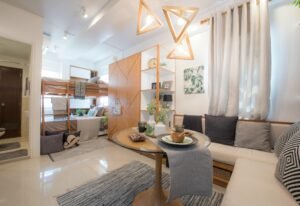
Start With a Decluttering Plan
Before you arrange any furniture, you must address clutter. Clutter is the biggest enemy of small spaces. It makes rooms feel cramped and chaotic. As a result, your first step is to sort through all your belongings. Use a simple three-box method: keep, donate, and discard. Be honest about what you truly need and use regularly. For example, if you have not used an item in over a year, you should likely donate it. This process creates a clean foundation. Consequently, your subsequent decorating efforts will be much more effective.
Choose Multifunctional Furniture
In a small house, every piece of furniture should earn its keep. Therefore, focus on items that serve more than one purpose. A classic example is a sofa bed for the living room. It provides seating by day and transforms into a guest bed at night. Similarly, consider an ottoman with hidden storage inside. You can use it as a footrest, extra seating, and a place to store blankets. Another excellent choice is a drop-leaf dining table. It can be compact against a wall for daily use and expanded when you have visitors. This approach effectively doubles your functionality without needing more floor space.
Utilize Your Vertical Space
Walls are your most underused asset. Instead of letting them sit empty, use them for storage and decoration. Floor space is limited, so thinking upward is a core part of small house setup tips. Install floating shelves to hold books, plants, and decorative items. You can also mount your television to free up the console below. In the kitchen, use a sturdy wall rail with hooks for pots, utensils, and mugs. In bedrooms, consider tall, narrow dressers rather than wide, short ones. Over time, you will find that vertical storage keeps your essentials accessible and your floors clear.
Embrace Light and Bright Colors
Color choice dramatically affects how large a room feels. Dark colors tend to make walls feel like they are closing in. However, light and bright colors reflect natural and artificial light. As a result, they make spaces feel more open and airy. Opt for soft whites, light grays, pale blues, or creams for your walls and large furniture. You can then add personality with colorful accents through pillows, rugs, and art. Furthermore, mirrors are a powerful tool. Placing a large mirror opposite a window reflects light and gives the illusion of depth, effectively making the room feel bigger.
Define Zones in Open Areas
Many small homes and apartments have open floor plans. While this is great for flow, it can lack definition. You can create distinct areas for living, dining, and working without building walls. Use area rugs to anchor a seating arrangement. A bookshelf or a console table can act as a subtle room divider. For example, place a sofa with its back to the dining area to visually separate the spaces. Different lighting for each zone also helps. A pendant light over the dining table and a floor lamp by the sofa clearly mark different purposes within one room.
Optimize Storage in Unexpected Places
Look for unused nooks that can provide valuable storage. The area under your bed is perfect for slim rolling bins for off-season clothes. You can install shelves above doorways for decorative baskets. Use the inside of cabinet doors for spice racks or cleaning supply organizers. In the kitchen, use a tension rod inside a sink cabinet to hang spray bottles. Another idea is to use a pegboard on a blank wall in an office or craft area. This keeps tools visible and within reach while saving drawer space. These small small house setup tips collectively free up significant room.
Keep Pathways Clear
Traffic flow is crucial in a compact layout. Your furniture arrangement should allow for easy movement. Ensure there is a clear, unobstructed path through each room. Avoid pushing all furniture against the walls. Instead, you might float a small sofa away from the wall to create a walkway behind it. This can actually make the room feel larger. Always measure your space and the furniture before you buy. Leave at least two to three feet for main walkways. Consequently, your home will feel more spacious and be much easier to navigate daily.
Select the Right Scale of Furniture
Oversized furniture can instantly overwhelm a small room. Choose pieces that are proportionate to your space. Look for apartment-sized sofas, armless chairs, and slender tables. Furniture with exposed legs, rather than solid blocks to the floor, creates a sense of lightness and visual space. For instance, a glass-top coffee table takes up less visual weight than a solid wooden one. Before shopping, note your room’s dimensions and set a maximum size for each key piece. This proactive step prevents the common mistake of bringing in furniture that is simply too large.
Incorporate Smart Lighting Layers
Good lighting is essential for making a small house feel welcoming. Relying on a single overhead light can create harsh shadows. Instead, use a layered lighting approach. Combine ambient (general overhead), task (for specific activities like reading), and accent (to highlight decor) lighting. Use table lamps on side tables, a floor lamp in a dark corner, and under-cabinet lights in the kitchen. Dimmers are also a great investment. They allow you to adjust the mood and intensity of light, making the space more versatile and cozy in the evenings.
Add Personal Touches Without Clutter
Your home should reflect your personality. However, in a small space, you must be selective. Choose a few meaningful pieces of art, photographs, or souvenirs to display. Create a small gallery wall with a coordinated set of frames rather than scattering many small items on every surface. Use functional items as decor, like a beautiful teapot on the stove or a colorful blanket draped over a chair. Regularly edit your displayed items. Rotating decor seasonally keeps your space feeling fresh without permanently adding more stuff.
Maintain Your Setup Regularly
Finally, the work does not end after the initial setup. Small spaces require consistent maintenance to stay functional. Make it a habit to return items to their designated storage spots. Spend ten minutes each evening tidying up surfaces. Revisit your decluttering plan every few months. Over time, our needs change, and so should our spaces. By maintaining order, you protect the effort you put into implementing these small house setup tips. As a result, your small house will remain a peaceful, efficient, and enjoyable place to live.
Leave a Reply