Keeping a home clean does not always mean spending many hours every day. Many people feel overwhelmed because cleaning feels endless and unorganized. However, a home cleaning routine that saves time focuses on simple habits, clear steps, and regular actions. This type of routine helps reduce stress and keeps the home tidy without rushing or skipping important tasks. This article explains how to build a practical, easy-to-follow cleaning routine that fits into daily life and works well for beginners.
Understanding the Purpose of a Home Cleaning Routine That Saves Time
A cleaning routine is a planned way to handle household tasks. Instead of cleaning everything at once, tasks are divided into smaller steps. As a result, cleaning becomes easier to manage.
A home cleaning routine that saves time focuses on regular maintenance. When small tasks are done often, dirt and clutter do not build up. This reduces the need for long cleaning sessions later.
For example, wiping a kitchen counter daily takes less than one minute. If ignored for days, the same task may take much longer. Over time, these small habits save both time and energy.
Planning Your Home Cleaning Routine That Saves Time
Planning is the first step toward an effective routine. Without a plan, cleaning can feel random and stressful.
Start by listing all basic cleaning tasks in your home. These may include sweeping floors, washing dishes, or organizing items. Next, group tasks by how often they are needed. Some tasks are daily, while others are weekly or monthly.
A clear plan helps avoid repeating work. It also prevents forgetting important areas. As a result, cleaning feels more balanced and controlled.
Daily Tasks That Keep the Home Under Control
Daily tasks are short and simple. They prevent mess from growing.
Common daily tasks include:
Making the bed in the morning
Washing dishes after meals
Wiping kitchen surfaces
Putting items back in their place
Each task usually takes only a few minutes. However, together they keep the home neat throughout the day.
For example, placing shoes back on a rack after coming home avoids clutter near the door. Over time, this habit saves time spent organizing later.
Weekly Tasks That Support Long-Term Cleanliness
Weekly tasks focus on areas that do not need daily attention. These tasks keep the home fresh and comfortable.
Examples of weekly tasks include:
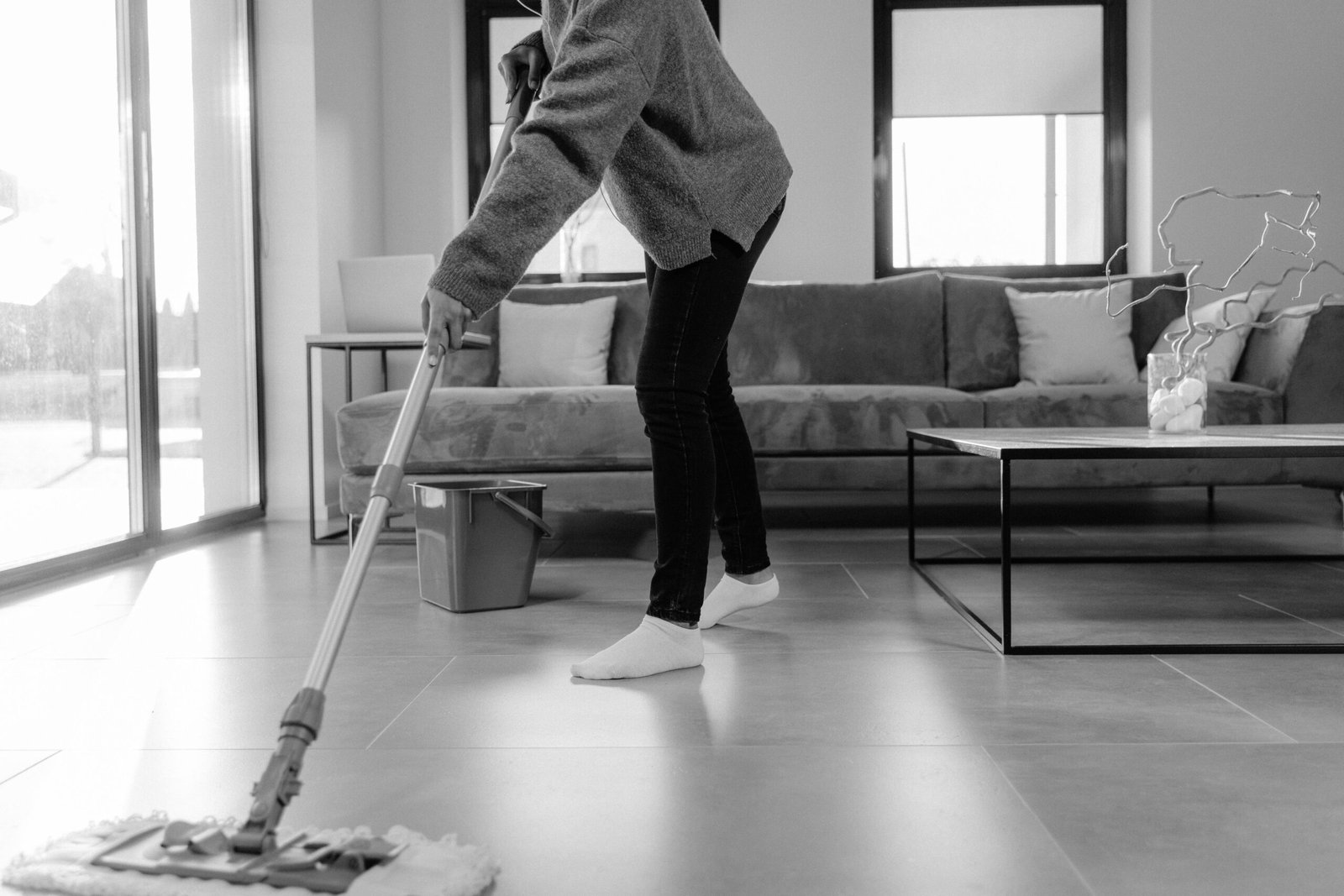
Sweeping or mopping floors
Cleaning bathrooms
Dusting furniture
Changing bed sheets
By assigning these tasks to specific days, cleaning becomes predictable. For instance, bathrooms can be cleaned every Saturday. This routine avoids last-minute cleaning and spreads work evenly across the week.
Monthly Tasks That Prevent Deep Cleaning Stress
Monthly tasks handle areas that collect dirt slowly. These tasks prevent the need for long cleaning sessions.
Examples include:
Cleaning windows
Organizing storage areas
Wiping walls or doors
Checking unused spaces
Instead of deep cleaning everything at once, monthly tasks break the work into manageable steps. As a result, the home stays clean without feeling overwhelming.
Creating Simple Cleaning Zones
Dividing the home into zones makes cleaning more organized. Each zone includes related areas, such as the kitchen or living room.
A zone-based approach allows focus on one area at a time. This avoids jumping between tasks and wasting time.
For example:
Kitchen zone: counters, sink, appliances
Living room zone: sofa, tables, floor
Bedroom zone: bed, wardrobe, surfaces
Cleaning one zone per day keeps progress steady and visible.
Using Short Cleaning Sessions for Better Focus
Short cleaning sessions are easier to manage than long ones. Many people find it easier to clean for 10 to 15 minutes at a time.
During a short session, focus on one task only. Avoid distractions and stop when time is up. This approach prevents tiredness and loss of focus.
For example, a 15-minute session can be used to clean a bathroom or organize a shelf. Over time, these short sessions add up and save hours.
Keeping Cleaning Tools Ready and Organized
Searching for cleaning tools wastes time. Keeping tools in one place improves efficiency.
Basic tools should be easy to reach. This may include cloths, brushes, and basic cleaners. Storing them near the area where they are used saves steps and effort.
For example, keeping a cloth under the kitchen sink makes wiping spills quick and simple.
Reducing Clutter to Save Cleaning Time
Clutter makes cleaning harder. Fewer items mean fewer surfaces to clean.
A simple rule helps reduce clutter: if an item is not used often, store it properly or remove it. This makes daily cleaning faster and easier.
For instance, clearing extra items from tables reduces dusting time. Over time, less clutter leads to a calmer and cleaner home.
Involving All Household Members
Cleaning does not need to be done by one person alone. Sharing tasks saves time and builds responsibility.
Each person can handle simple tasks based on age and ability. This keeps the workload balanced.
For example:
One person washes dishes
Another wipes surfaces
Another organizes items
When everyone helps, cleaning becomes faster and more efficient.
Managing Cleaning Alongside a Busy Schedule
Many people have limited time due to work or family duties. A flexible routine works best in such cases.
Instead of strict schedules, focus on consistency. If a task is missed one day, it can be done the next.
For example, if vacuuming is skipped, it can be done during the next free moment. This flexible approach keeps cleaning realistic and stress-free.
Preventing Mess Before It Starts
Preventing mess saves more time than cleaning later. Small habits help maintain order.
Simple preventive actions include:
Cleaning spills immediately
Sorting items daily
Avoiding leaving items on the floor
For example, wiping a spill right away prevents stains and extra cleaning. Over time, prevention reduces overall workload.
Adjusting the Routine Over Time
A cleaning routine should change as needs change. What works today may not work later.
Review the routine every few months. Remove tasks that feel unnecessary and adjust timing as needed.
For example, a growing family may need more frequent cleaning in shared areas. Adjusting the routine keeps it effective and realistic.
Staying Consistent Without Pressure
Consistency matters more than perfection. A missed task does not mean failure.
Focus on progress rather than perfect results. Over time, regular effort keeps the home clean and organized.
For example, cleaning for a few minutes daily is better than waiting for a free day that may never come.