
Category: Uncategorized Page 2 of 4

Home Clean Routine That Saves Time

Keeping a home clean does not always mean spending many hours every day. Many people feel overwhelmed because cleaning feels endless and unorganized. However, a home cleaning routine that saves time focuses on simple habits, clear steps, and regular actions. This type of routine helps reduce stress and keeps the home tidy without rushing or skipping important tasks. This article explains how to build a practical, easy-to-follow cleaning routine that fits into daily life and works well for beginners.
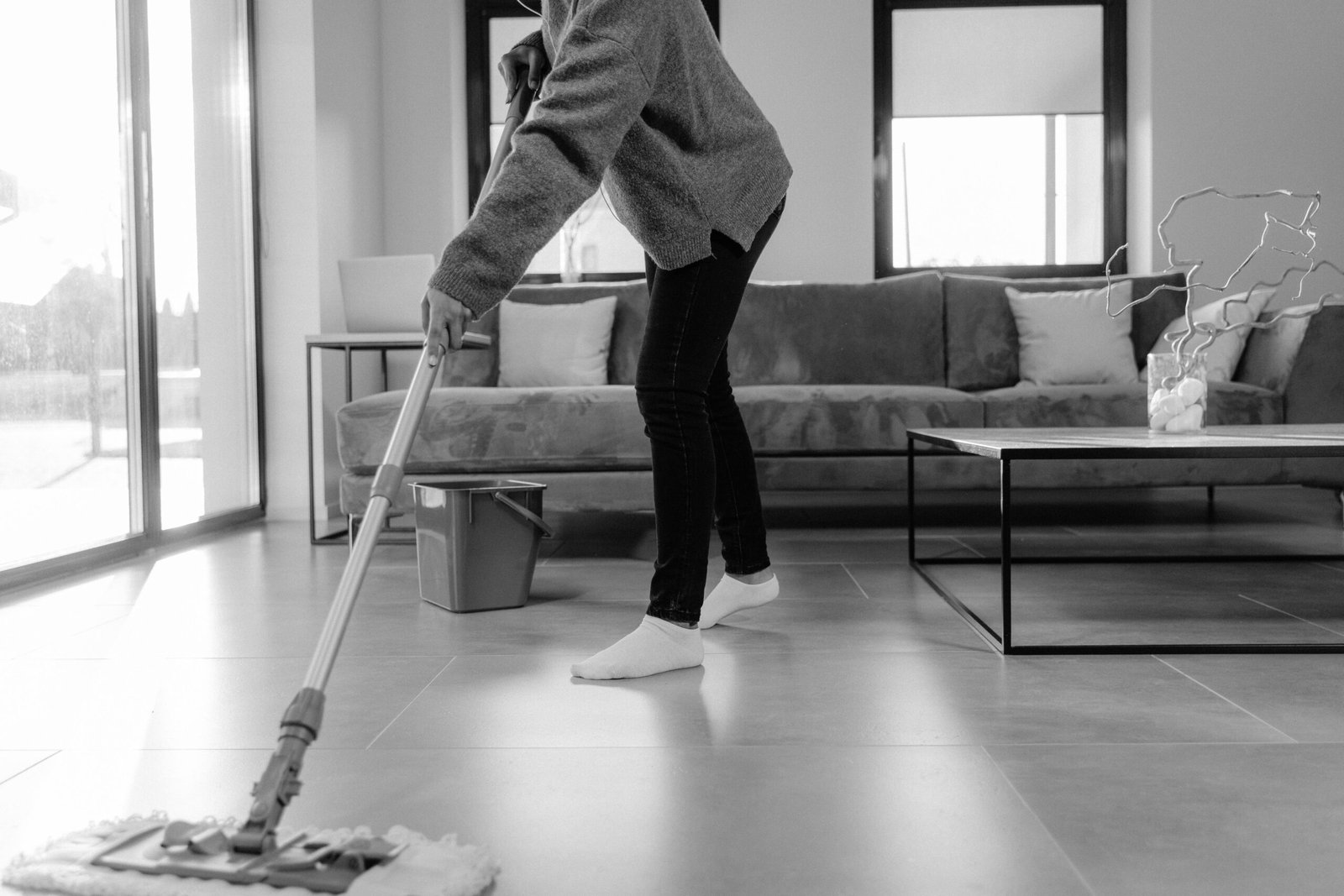
A person mopping the floor in a clean living room as part of a daily home cleaning routine


Understanding the Purpose of a Home Cleaning Routine That Saves Time

A cleaning routine is a planned way to handle household tasks. Instead of cleaning everything at once, tasks are divided into smaller steps. As a result, cleaning becomes easier to manage.

A home cleaning routine that saves time focuses on regular maintenance. When small tasks are done often, dirt and clutter do not build up. This reduces the need for long cleaning sessions later.

For example, wiping a kitchen counter daily takes less than one minute. If ignored for days, the same task may take much longer. Over time, these small habits save both time and energy.

Planning Your Home Cleaning Routine That Saves Time

Planning is the first step toward an effective routine. Without a plan, cleaning can feel random and stressful.

Start by listing all basic cleaning tasks in your home. These may include sweeping floors, washing dishes, or organizing items. Next, group tasks by how often they are needed. Some tasks are daily, while others are weekly or monthly.

A clear plan helps avoid repeating work. It also prevents forgetting important areas. As a result, cleaning feels more balanced and controlled.

Daily Tasks That Keep the Home Under Control

Daily tasks are short and simple. They prevent mess from growing.

Common daily tasks include:

Making the bed in the morning

Washing dishes after meals

Wiping kitchen surfaces

Putting items back in their place

Each task usually takes only a few minutes. However, together they keep the home neat throughout the day.

For example, placing shoes back on a rack after coming home avoids clutter near the door. Over time, this habit saves time spent organizing later.

Weekly Tasks That Support Long-Term Cleanliness

Weekly tasks focus on areas that do not need daily attention. These tasks keep the home fresh and comfortable.

Examples of weekly tasks include:

Sweeping or mopping floors

Cleaning bathrooms

Dusting furniture

Changing bed sheets

By assigning these tasks to specific days, cleaning becomes predictable. For instance, bathrooms can be cleaned every Saturday. This routine avoids last-minute cleaning and spreads work evenly across the week.

Monthly Tasks That Prevent Deep Cleaning Stress

Monthly tasks handle areas that collect dirt slowly. These tasks prevent the need for long cleaning sessions.

Examples include:

Cleaning windows

Organizing storage areas

Wiping walls or doors

Checking unused spaces

Instead of deep cleaning everything at once, monthly tasks break the work into manageable steps. As a result, the home stays clean without feeling overwhelming.

Creating Simple Cleaning Zones

Dividing the home into zones makes cleaning more organized. Each zone includes related areas, such as the kitchen or living room.

A zone-based approach allows focus on one area at a time. This avoids jumping between tasks and wasting time.

For example:

Kitchen zone: counters, sink, appliances

Living room zone: sofa, tables, floor

Bedroom zone: bed, wardrobe, surfaces

Cleaning one zone per day keeps progress steady and visible.

Using Short Cleaning Sessions for Better Focus

Short cleaning sessions are easier to manage than long ones. Many people find it easier to clean for 10 to 15 minutes at a time.

During a short session, focus on one task only. Avoid distractions and stop when time is up. This approach prevents tiredness and loss of focus.

For example, a 15-minute session can be used to clean a bathroom or organize a shelf. Over time, these short sessions add up and save hours.

Keeping Cleaning Tools Ready and Organized

Searching for cleaning tools wastes time. Keeping tools in one place improves efficiency.

Basic tools should be easy to reach. This may include cloths, brushes, and basic cleaners. Storing them near the area where they are used saves steps and effort.

For example, keeping a cloth under the kitchen sink makes wiping spills quick and simple.

Reducing Clutter to Save Cleaning Time

Clutter makes cleaning harder. Fewer items mean fewer surfaces to clean.

A simple rule helps reduce clutter: if an item is not used often, store it properly or remove it. This makes daily cleaning faster and easier.

For instance, clearing extra items from tables reduces dusting time. Over time, less clutter leads to a calmer and cleaner home.

Involving All Household Members

Cleaning does not need to be done by one person alone. Sharing tasks saves time and builds responsibility.

Each person can handle simple tasks based on age and ability. This keeps the workload balanced.

For example:

One person washes dishes

Another wipes surfaces

Another organizes items

When everyone helps, cleaning becomes faster and more efficient.

Managing Cleaning Alongside a Busy Schedule

Many people have limited time due to work or family duties. A flexible routine works best in such cases.

Instead of strict schedules, focus on consistency. If a task is missed one day, it can be done the next.

For example, if vacuuming is skipped, it can be done during the next free moment. This flexible approach keeps cleaning realistic and stress-free.

Preventing Mess Before It Starts

Preventing mess saves more time than cleaning later. Small habits help maintain order.

Simple preventive actions include:

Cleaning spills immediately

Sorting items daily

Avoiding leaving items on the floor

For example, wiping a spill right away prevents stains and extra cleaning. Over time, prevention reduces overall workload.

Adjusting the Routine Over Time

A cleaning routine should change as needs change. What works today may not work later.

Review the routine every few months. Remove tasks that feel unnecessary and adjust timing as needed.

For example, a growing family may need more frequent cleaning in shared areas. Adjusting the routine keeps it effective and realistic.

Staying Consistent Without Pressure

Consistency matters more than perfection. A missed task does not mean failure.

Focus on progress rather than perfect results. Over time, regular effort keeps the home clean and organized.

For example, cleaning for a few minutes daily is better than waiting for a free day that may never come.

Smart Home Habits Everyone Should Know

Smart Home Habits Everyone Should Know
Smart home technology makes life easier and more convenient. You can control lights, thermostats, and security systems with just your voice or phone. However, owning smart devices is only the first step. To truly benefit from them, you need to develop the right smart home habits.

Many people buy smart devices but never use them to their full potential. They might set them up once and forget about them. As a result, they miss out on the real benefits of home automation. The good news is that building better habits does not require technical skills. It simply takes a little awareness and consistency.

In this guide, you will learn practical smart home habits that everyone should know. These tips work for beginners and experienced users alike. They will help you save energy, improve security, and make your daily routines smoother.

Smart home habit showing automated cleaning using a robot vacuum

Start with a Clear Plan for Your Smart Home
Before you add more gadgets, take time to think about your goals. What do you want your smart home to do for you? Maybe you want to lower your electricity bill. Perhaps you want to feel safer when you travel. Your goals will shape the habits you build.

Write down the rooms where smart devices would help the most. For example, the living room might benefit from smart lights. The kitchen could use a smart plug for the coffee maker. When you have a plan, you avoid buying devices you do not need.

Over time, this habit saves you money. It also prevents clutter from unused gadgets. Remember, a smart home should simplify your life, not complicate it.

Create Strong and Unique Passwords for All Devices
Every smart device connects to your home network. This includes cameras, speakers, thermostats, and doorbells. If one device has a weak password, hackers could access your entire system. Therefore, strong passwords are essential.

Avoid using default passwords that come with the device. Change them immediately during setup. Use a mix of letters, numbers, and symbols. Do not use the same password for multiple devices.

For example, if someone guesses your smart speaker password, they should not also have access to your security camera. This habit protects your privacy and keeps your family safe.

Update Your Device Firmware Regularly
Manufacturers release updates to fix bugs and improve security. Ignoring these updates can leave your devices vulnerable. As a result, you should check for updates often.

Most smart home apps allow automatic updates. Turn this feature on if available. If not, set a reminder to check once a month. This small habit takes only a few minutes but provides lasting protection.

Updates also add new features sometimes. Therefore, you might discover useful functions you did not have before. Keeping everything current ensures your devices work their best.

Use Voice Commands for Everyday Tasks
Voice assistants like Alexa, Google Assistant, and Siri make smart homes truly convenient. However, many people forget to use them regularly. Instead, they walk across the room to flip a switch. This defeats the purpose of automation.

Train yourself to use voice commands for simple tasks. For instance, say “turn off the lights” when you leave a room. Ask your assistant to set timers while cooking. Request weather updates before heading outside.

These small actions become habits over time. They save you steps and make daily life feel effortless. Plus, they are fun and satisfying to use.

Set Routines for Morning and Evening
Routines are one of the most powerful features of smart homes. They allow multiple devices to work together automatically. For example, a good morning routine could slowly turn on lights, start the coffee maker, and raise the thermostat.

Evening routines work well too. You can program your home to lock doors, turn off lights, and lower the thermostat at bedtime. This ensures you never forget important tasks when you are tired.

Start with simple routines and build from there. Most apps make this process very easy. Over time, you will wonder how you managed without them.

Group Devices by Room or Function
Naming each device clearly helps you control them better. Instead of “light one” and “light two,” use names like “kitchen ceiling light” or “bedroom lamp.” This makes voice commands more accurate.

Grouping devices is another smart habit. You can put all living room lights in one group called “living room.” Then, one command controls them all. This works well for entertainment areas where you want multiple lights to change at once.

For example, saying “movie time” could dim all living room lights at once. This creates the perfect atmosphere without adjusting each light separately.

Monitor Energy Usage Regularly
Many smart plugs and thermostats track energy consumption. Use this data to find waste in your home. You might discover that certain devices run when no one is home. As a result, you can schedule them to turn off automatically.

Check your energy reports once a week at first. Look for patterns and make adjustments. For instance, if the heater runs during the day while everyone is out, adjust the schedule. These small changes add up to significant savings over time.

Being mindful of energy also helps the environment. Therefore, this habit benefits both your wallet and the planet.

Secure Your Wi-Fi Network
Your smart home depends on a strong Wi-Fi connection. However, security matters just as much as speed. Start by changing the default router password. Use WPA3 encryption if your router supports it. If not, WPA2 is still acceptable.

Create a guest network for visitors. Keep your smart devices on the main network but consider separating them from your computers. Some routers allow you to create an IoT network specifically for smart devices. This adds an extra layer of security.

Check connected devices regularly. If you see something unfamiliar, investigate immediately. Quick action prevents potential problems.

Use Motion Sensors for Automation
Motion sensors add convenience and save energy. Place them in hallways, bathrooms, and closets. Then, lights turn on automatically when someone enters. They turn off shortly after the room empties.

This habit is especially useful for families with children. Kids often forget to turn off lights. Motion sensors handle this automatically. As a result, you save electricity without nagging anyone.

You can also use motion sensors for security. Receive alerts when motion is detected while you are away. This gives you peace of mind during vacations or long workdays.

Teach Family Members How to Use the System
A smart home works best when everyone participates. Take time to show family members how things work. Demonstrate voice commands and app controls. Explain any routines you have set up.

Create simple instructions for guests too. Leave a note with basic commands like “turn on living room TV” or “set thermostat to 72.” This helps visitors feel comfortable and prevents confusion.

When everyone understands the system, you avoid frustration. Instead of shouting “how do I turn this off?” they will know exactly what to do.

How to Manage Your Home Without Stress

Keeping a home clean and organized can feel overwhelming. Many people struggle to balance work, family, and household tasks. The good news is that you do not need to be perfect. You only need a plan. This guide will show you how to manage your home without stress. You will learn simple steps that save time and energy. These tips are easy to follow. They work for any home size or family type. Let us begin your journey to a calmer home.

how to manage your home without stress
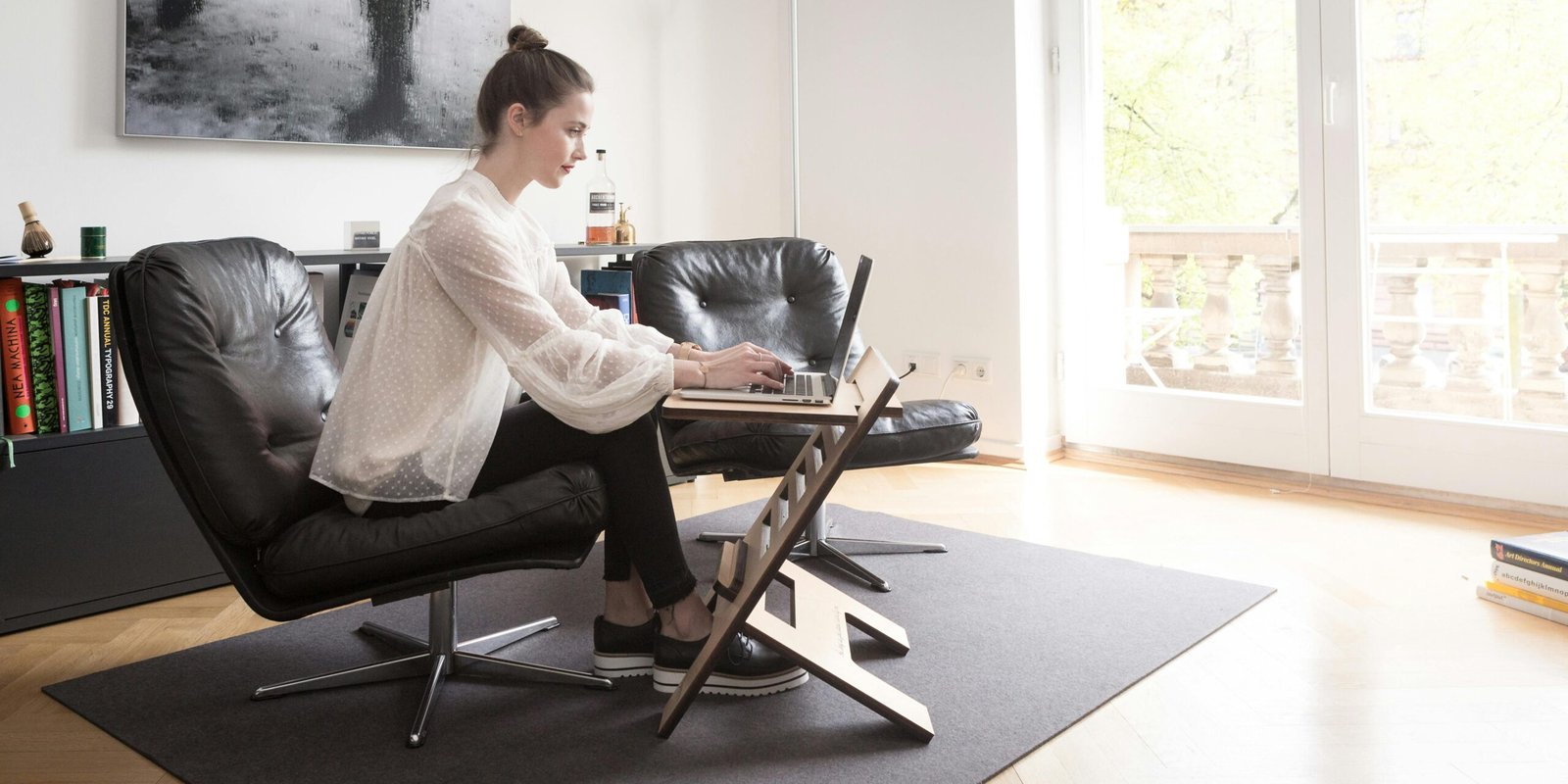
Woman working calmly on a laptop at home in a clean and organized living space

Understand What Home Management Really Means
Home management is not just about cleaning. It includes organizing, planning meals, paying bills, and keeping everyone on schedule. Think of it as running a small business. Your home is the office. You are the manager. Your goal is to keep things running smoothly. You do not need to do everything yourself. Instead, you create systems that help things flow.

Many beginners think they must clean all day. This is not true. Effective home management means working smarter, not harder. For example, you can set a timer for fifteen minutes each day. You will be surprised how much you finish. Over time, small efforts add up. You avoid burnout and still enjoy your living space.

How to Manage Your Home Without Stress
The secret to success is breaking big jobs into small pieces. How to manage your home without stress starts with changing your mindset. You do not need a spotless house. You need a functional home where you feel at peace. Focus on what matters most.

Start by listing your weekly tasks. Include cleaning, cooking, laundry, and errands. Then decide which tasks are urgent and which can wait. For instance, washing dishes is urgent. Organizing the garage can wait until the weekend. As a result, you remove pressure from your daily life.

Another key point is to stop comparing your home to others. Social media often shows perfect rooms. Real homes have clutter sometimes. That is okay. Instead of chasing perfection, aim for comfort. This shift in thinking reduces stress immediately.

Create a Simple Cleaning Routine
A cleaning routine gives you structure. Without one, tasks pile up. You feel overwhelmed before you start. Design a routine that fits your lifestyle.

Divide your home into zones. The kitchen is one zone. The living room is another. Assign each zone a day of the week. For example, clean the kitchen on Monday. Clean the bathroom on Tuesday. This method prevents marathon cleaning sessions on weekends.

Use a checklist if you forget steps. You can write it on paper or use a phone app. Check off tasks as you finish them. This gives you a sense of progress. Additionally, involve your family. Assign age-appropriate chores to children. They learn responsibility, and you get help. However, keep expectations low at first. Praise effort, not perfection.

Declutter One Area at a Time
Clutter is a major source of home stress. It hides your belongings and makes cleaning harder. Decluttering does not require a whole weekend. You can do it in short bursts.

Pick one drawer, one shelf, or one corner. Remove everything from that space. Wipe it clean. Then sort items into three piles: keep, donate, and trash. Be honest with yourself. If you have not used an item in one year, let it go. For example, old magazines or duplicate kitchen tools can leave your home today.

Repeat this process daily or weekly. Over time, your home becomes more open and calm. You will also find things faster. Instead of searching for keys or scissors, you know exactly where they are. This small change saves minutes every day. Those minutes add up to hours over a year.

Use a Family Calendar
Scheduling is part of home management. When everyone knows the plan, there is less chaos. A family calendar keeps appointments, events, and deadlines in one place.

You can use a large wall calendar or a shared digital calendar. Write down school events, work meetings, and social plans. Also note recurring tasks like trash pickup days or bill due dates. As a result, no one forgets important dates.

Hold a short weekly meeting with your family. Sunday evenings work well. Review the upcoming week together. Discuss who needs to be where and when. This prevents last-minute rushes and forgotten permission slips. It also teaches children time management. Over time, this habit becomes automatic. Your home runs smoother with less stress.

Plan Meals Ahead
Meal planning saves money and reduces daily panic. When you do not know what to cook, you often order takeout. This is expensive and often unhealthy. Instead, spend thirty minutes each week planning meals.

Look at your calendar first. If you have a busy evening, plan a quick meal. Slow cooker recipes are great for hectic days. Write down breakfast, lunch, and dinner ideas. Then make a grocery list based on these meals. Stick to your list at the store. This stops impulse buys and food waste.

You do not need gourmet meals. Simple dishes like pasta, stir-fry, or sheet pan dinners work well. Cook extra portions when possible. Freeze leftovers for another night. For example, double a soup recipe and freeze half. On a stressful day, you already have dinner ready. This is a powerful way to manage your home without stress.

Ask for Help When Needed
Many people try to do everything alone. They feel it is their duty. This mindset leads to exhaustion. Remember that asking for help is a strength, not a weakness.

Talk to your partner or roommates. Divide tasks fairly. One person may cook while another cleans the kitchen. If you live alone, consider swapping services with a friend. You can help each other with deep cleaning tasks. If your budget allows, hire help occasionally. A professional cleaner once a month can make a big difference.

Also, teach your children to help from a young age. Toddlers can put toys in a bin. Older kids can load the dishwasher or fold laundry. You are not spoiling them by doing everything. Instead, you are preparing them for adult life. As a result, your home becomes a team effort.

Set Realistic Expectations
Unrealistic goals are a fast track to stress. You cannot keep a showroom look while working full time and raising children. Accept that some days will be messy. That is normal and temporary.

Define what “clean enough” means for your home. For example, you may decide that the kitchen counters must be wiped each night. But the playroom can stay messy until the weekend. This gives you permission to relax. You are not failing. You are prioritizing.

Also, be kind to yourself. If you skip a cleaning day, do not panic. Tomorrow is a new opportunity. Over time, you will find a rhythm that works. Your home should serve you, not the other way around.


Easy Solutions for Common Home Problems

Easy Home Problem Solutions for Everyday Hassles
Every home has small problems. A dripping faucet, a clogged drain, or a squeaky door can cause daily annoyance. However, you do not need to be an expert to fix them. With simple tools and basic knowledge, you can solve many common issues. This guide provides clear, easy home problem solutions. Our goal is to help you handle these tasks with confidence.

You will save money on repair calls. More importantly, you will gain the satisfaction of maintaining your own space. We will cover problems from the kitchen to the bathroom and beyond. Each solution uses common household items or inexpensive tools. Let us begin with some of the most frequent household complaints.

Man using simple tools to fix a small household item at home, showing an easy home solution

Solving Common Kitchen and Bathroom Issues
The kitchen and bathroom see a lot of daily use. As a result, they are where many common problems appear. Water-related issues are frequent here. For example, a slow-draining sink is a typical problem. Instead of buying harsh chemicals, try a simple mixture first.

Pour a half-cup of baking soda down the drain. Follow it immediately with a half-cup of white vinegar. The mixture will foam and fizz. Let it sit for 15 minutes. Finally, flush the drain with a pot of very hot water. This often breaks up minor clogs caused by grease and food.

Another common issue is a dripping faucet. This wastes water and can be noisy. Usually, the cause is a worn-out washer inside the handle. First, turn off the water supply under the sink. Then, use a screwdriver to remove the faucet handle. Take the old washer to a hardware store to find an exact match. Replacing it is an easy home problem solution that stops the drip.

Quick Fixes for Sticky Doors and Windows
Doors and windows that stick or squeak are frustrating. They can be difficult to open and close. Often, the problem is just friction or loose parts. For a squeaky hinge, the solution is simple. Apply a small amount of lubricant. A common household oil like WD-40 works well.

Spray a little directly onto the hinge pin. Then, open and close the door a few times. This spreads the oil and silences the squeak. For a door that sticks, first check where it rubs against the frame. Look for shiny marks on the wood. These spots show where friction occurs.

You can often fix this by tightening the hinges. Use a screwdriver to tighten all the screws on the door hinges. If the screws are loose, the door will sag and stick. If the screws spin without tightening, the holes are stripped. Remove the screws and insert wooden toothpicks or special wall plugs into the holes. Then, screw the hinge back in. This creates a new, tight hold.

Handling Wall Damage and Small Holes
Over time, walls get small dings, nail holes, or scuff marks. These imperfections make a room look worn. Fortunately, fixing them is easier than you might think. For small nail holes or dents, you only need spackling paste and a putty knife.

First, clean any loose debris from the hole. Then, scoop a small amount of spackle onto your knife. Press it firmly into the hole, smoothing it flush with the wall. Let it dry completely. Once dry, lightly sand the area with fine-grit sandpaper until it is smooth. Finally, touch up the spot with matching paint.

For scuff marks, try a simple cleaning method first. Use a clean, damp magic eraser sponge. Gently rub the mark. Often, this lifts the scuff right off the paint. If the mark is stubborn, a small amount of baking soda on a damp cloth can act as a gentle abrasive. Always test any cleaner in an inconspicuous area first.

Easy Solutions for Carpet Stains and Odors
Spills happen, especially in homes with children or pets. Acting quickly is the key to preventing a permanent stain. For a new liquid spill, immediately blot—do not rub—the area with a clean, dry cloth. Rubbing can push the stain deeper into the fibers.

Next, make a simple cleaning solution. Mix one teaspoon of clear dish soap with one cup of warm water. Apply a small amount to the stain and blot again with a clean cloth. Rinse the area by blotting with a cloth dampened with plain water. Finally, place dry paper towels over the spot and weigh them down with a heavy book. This pulls the remaining moisture from the carpet.

For persistent odors, baking soda is your best friend. Sprinkle a generous amount over the dry carpet. Let it sit for several hours, or even overnight. The baking soda will absorb odors. Then, simply vacuum it up thoroughly. This is a safe, non-toxic easy home problem solution for freshening up a room.

Stopping Drafts and Improving Energy Efficiency
Drafts from windows and doors make your home feel chilly. They also cause your heating bill to rise. Finding and sealing drafts is a simple, cost-effective task. On a windy day, carefully move your hand around the edges of windows and doors. Feel for cool air entering.

A common source is the gap under an exterior door. Install a door sweep to block this draft. This is a simple strip that attaches to the bottom of the door. For window drafts, apply self-adhesive weatherstripping foam tape. First, clean the window frame with rubbing alcohol. Then, peel and stick the foam tape along the frame where the window closes.

Another area to check is electrical outlets on exterior walls. They can let in a surprising amount of cold air. You can buy inexpensive foam gaskets at any hardware store. Simply turn off the power to the outlet, remove the cover plate, place the gasket, and replace the plate. This quick task makes a noticeable difference.

Maintaining a Smooth-Running Garbage Disposal
A smelly or sluggish garbage disposal is a common kitchen problem. Regular maintenance can prevent most issues. First, never pour grease or oil down the disposal. Also, avoid putting fibrous foods like celery stalks or onion skins in it. They can wrap around the blades.

To clean and deodorize it, use the same method as for a drain. Drop in a few ice cubes made from vinegar. Turn on the disposal with cold water running. The ice sharpens the blades, and the vinegar cleans and deodorizes. For a fresh scent, you can also grind a few lemon peels. This provides a natural, pleasant smell.

If the disposal stops working entirely, check for a reset button. Look for a small, red button on the bottom of the unit under the sink. Press this button. It often fixes the problem if the motor has overheated. Also, ensure the unit is not jammed. Using an Allen wrench, you can manually turn the motor from the bottom to free any stuck objects.

Quick Ways to Keep Your Home Fresh

Walking into a fresh, clean-smelling home is one of life’s simple pleasures. It feels welcoming and calm. However, our daily activities naturally create odors. Cooking, pets, dampness, and just living in a space can lead to stale air. You might think you need strong chemicals or hours of cleaning to fix this. Fortunately, that is not true. With a few smart strategies, you can maintain a pleasant environment easily. This article will share practical quick ways to keep your home fresh. These tips are designed for beginners and fit easily into any routine.

Person placing clean glasses on a kitchen drying rack, keeping the home fresh and tidy.

Why a Fresh Home Matters More Than You Think

The smell of your home affects more than just your nose. It influences your mood, stress levels, and how you feel about your space. A stale or unpleasant odor can make a clean room feel dirty. Conversely, a fresh, neutral, or lightly scented home feels cared for and tidy. It also makes a better impression on guests. More importantly, the methods that create freshness often also improve hygiene. For example, reducing moisture cuts down on mold. Therefore, focusing on freshness contributes to a healthier home overall.

Start with the Source: Identify Odor Trouble Spots

The first step is to play detective in your own home. Walk through each room and notice the air. Common problem areas are often the kitchen, bathroom, laundry area, and places where pets spend time. In the kitchen, check the trash can, sink drain, and microwave. For bathrooms, look for damp mats and shower curtains. Living areas might have odor traps like upholstery, rugs, or bins of old newspapers. Identifying these spots helps you target your efforts. As a result, you save time and work smarter, not harder.

Your Daily Freshness Routine: Small Habits, Big Impact

Creating a fresh home is about consistency, not marathon cleaning sessions. Start by making ventilation a daily habit. Open windows on opposite sides of your home for just five to ten minutes. This creates a cross-breeze that flushes out stale air. Next, always make your bed in the morning. This allows sheets to dry from nighttime moisture and instantly neatens the room. Also, commit to never leaving dirty dishes overnight. Food residue is a major odor source. Finally, take the trash out every evening, even if it’s not full. These tiny habits form the foundation of a constantly fresh home.

Harness Nature’s Power: Plants and Natural Absorbers

Instead of masking odors with perfumed sprays, use nature to neutralize them. Certain houseplants are wonderful for cleaning indoor air. They absorb pollutants and release oxygen. Great beginner-friendly options include the spider plant, aloe vera, and English ivy. They require minimal care and do a lot of work. For a simpler solution, use baking soda. It is a champion odor absorber. Place an open box in the refrigerator and freezer. You can also set small bowls of it in musty cabinets, near litter boxes, or in the basement. It works silently and effectively.

The Magic of Simmering Pots and Essential Oils

For a wonderful natural scent, skip the plug-in air fresheners. Create a stovetop simmer pot instead. Fill a small pot with water and bring it to a low simmer. Add ingredients from your kitchen. For a citrusy scent, use lemon or orange peels. For a cozy smell, add apple slices, cinnamon sticks, and cloves. Let it simmer on low, adding water as needed. The steam will carry a lovely, gentle fragrance throughout your home. This is one of the most effective quick ways to keep your home fresh after cooking strong-smelling foods.

Conquering Kitchen Odors Once and For All

The kitchen is the heart of the home and the main source of smells. To manage this, clean as you cook. Wipe up spills immediately and wash used utensils. Run your exhaust fan every time you use the stove, especially for frying or sautéing. To freshen the garbage disposal, grind ice cubes with lemon peels or a bit of baking soda. This cleans the blades and eliminates grease buildup. Also, remember to clean your kitchen sponge nightly. You can microwave a damp sponge for one minute to kill odor-causing bacteria. These small acts prevent big smells.

Freshening Fabrics: Curtains, Carpets, and Couches

Soft surfaces trap odors like smoke, pet dander, and cooking grease. For rugs and carpets, sprinkle baking soda generously. Let it sit for at least 15 minutes, then vacuum thoroughly. This lifts away odors embedded in the fibers. For upholstery and curtains, use a fabric refresher. Make your own by mixing one part white vinegar with three parts water in a spray bottle. Add a few drops of essential oil if desired. Lightly mist the fabric from a distance—do not soak it—and let it air dry. The vinegar smell will vanish quickly, taking other odors with it.

Maintaining a Fresh Bathroom with Minimal Effort

Bathroom odors often come from moisture and mildew. The simplest fix is to run the exhaust fan during and for 20 minutes after every shower. If you don’t have a fan, open a window slightly. Use a squeegee on shower walls after use to prevent mildew growth. To keep the toilet fresh, drop an occasional denture cleaning tablet into the bowl. It will fizz and clean without harsh scrubbing. For a continuous light scent, place a box of baking soda behind the toilet or add a few drops of peppermint oil to a roll of toilet paper.

Managing Pet Areas Without Overwhelm

Pets bring joy but also unique odors. The key is regular maintenance of their spaces. Wash food and water bowls daily. Wash pet bedding weekly with a half-cup of baking soda added to the detergent. For accidents on carpets, blot up as much liquid as possible first. Then, apply a solution of equal parts white vinegar and cold water. Blot again, then sprinkle with baking soda. Once dry, vacuum the baking soda. This method neutralizes the odor instead of just covering it up. Keeping your pet groomed also significantly reduces home odors.

Don’t Forget the Forgotten Spaces: Closets, Cars, and Bins

Some spaces are out of sight but still affect your home’s freshness. Closets can become musty. Hang a porous bag of activated charcoal or unused dryer sheets inside. For your washing machine, run a monthly clean cycle with hot water and two cups of white vinegar to prevent moldy smells. Car interiors also carry odors into your garage. Keep a small pouch of coffee beans in your cup holder; coffee is a great natural absorber. Finally, regularly disinfect your kitchen and bathroom trash cans. A quick wipe-down prevents smells from sticking to the plastic.

Creating a Weekly “Refresh” Checklist

Beyond daily habits, a short weekly routine tackles deeper odors. Set aside 30 minutes for a home refresh. This includes changing all bed linens and towels. Wash them with a half-cup of baking soda added to your detergent for extra freshness. Wipe down all kitchen and bathroom surfaces with a vinegar-water solution. Empty all small trash bins from bedrooms and offices. Dump and refresh the bowls of baking soda around your house. This weekly reset prevents odors from building up to a noticeable level.

What to Avoid: Common Freshness Mistakes

Some common products can actually make odor problems worse. Avoid heavily perfumed aerosol sprays. They often just coat odor molecules with a stronger scent, creating a mixed, unpleasant smell. Similarly, overusing scented candles can leave a sooty residue on walls and ceilings. Instead, choose beeswax or soy candles with cotton wicks. Also, avoid letting wet laundry sit in the washing machine. This causes a mildewy smell that transfers to your clothes. Promptly moving laundry to the dryer is a simple fix with a big payoff.

Page 2 of 4

Powered by HMClean & ©2026