Category: Uncategorized Page 3 of 4

Daily Home Routine for a Peaceful Life

Craft a Daily Home Routine for a Peaceful Life
Life can feel busy and loud. However, your home should be a place of calm. A peaceful life often starts with simple, repeated actions. You can create this feeling by building a daily home routine for peace. This routine is a series of gentle habits. These habits help you feel grounded and in control. This guide will show you how to build one step by step. The goal is to transform your home into a sanctuary.

You do not need to make big changes. Instead, small, consistent actions make a big difference. Over time, this practice reduces stress and increases joy. Let us explore how to build your own peaceful daily rhythm. We will cover morning, daytime, and evening habits. We will also discuss your home environment. This plan is for beginners and uses clear, simple steps.

A woman sitting by a window at home, calmly drinking tea beside an open book and a vase of flowers, showing a peaceful daily home routine.

Why a Home Routine Creates Peace
Chaos often comes from feeling unsure of what comes next. A routine removes this uncertainty. It provides a gentle structure for your day. As a result, your mind can relax. You spend less energy deciding what to do. Instead, you flow from one calming activity to the next.

This structure is especially powerful at home. Your home is your personal space. A peaceful routine there protects you from outside stress. For example, a calm morning can set a positive tone for your entire day. Similarly, a soothing evening helps you sleep better. This cycle builds a foundation for long-term peace.

Start Your Day with Intention: The Morning Anchor
Your morning routine is the anchor of your day. Do not rush out of bed and into chaos. Instead, give yourself at least 15 minutes of quiet time. First, resist checking your phone immediately. This simple act prevents outside stress from entering your mind.

Instead, start by drinking a glass of water. Then, try a short mindfulness practice. Sit quietly and take five deep breaths. Notice the feeling of the air entering and leaving your body. Next, you might write down one thing you are grateful for. This practice focuses your mind on positivity.

Finally, make your bed. This small task gives you an instant sense of order and accomplishment. It signals that your personal space is cared for. A mindful morning creates a buffer of peace that you carry with you.

Incorporate Mindful Moments Throughout Your Day
Your routine continues even when you are busy. The key is to insert short “reset” moments. These pauses stop stress from building up. For instance, take a proper lunch break away from your work area. Eat slowly and just focus on your food.

Another powerful tool is the breathing pause. Set a quiet alarm for mid-morning and mid-afternoon. When it rings, stop what you are doing. Then, take one minute to just breathe deeply. This resets your nervous system. You can also use routine tasks as mindfulness practice.

Wash the dishes and focus only on the warm water and soap bubbles. Fold laundry and notice the textures of the fabrics. These actions become meditative. Over time, they train your brain to find calm in everyday life.

Create a Soothing Evening Wind-Down Ritual
Your evening routine helps you release the day. It prepares your body and mind for restful sleep. Begin by setting a specific time to start winding down. About 60 minutes before bed is ideal. First, dim the bright lights in your home. This tells your brain it is time to relax.

Next, disconnect from screens. The blue light from phones and TVs disrupts sleep hormones. Instead, choose a calming activity. You could read a physical book, listen to soft music, or do some gentle stretching. A warm cup of caffeine-free tea is another excellent idea.

Take a few minutes to tidy your main living space. Put away clutter from the day. Waking up to a tidy room supports a peaceful morning. Finally, reflect on the day. You might write down one good thing that happened. This ends your day on a note of appreciation.

Design Your Physical Space for Calm
Your routine happens within your home environment. Therefore, your space must support peace. You do not need to redecorate completely. Small changes have a big impact. Start with decluttering. A cluttered room leads to a cluttered mind.

Choose one small area, like a coffee table or kitchen counter. Clear off all non-essential items. Notice how that clear space makes you feel. Over time, you can expand this practice. Next, consider your senses. Soft lighting is more calming than harsh overhead lights. Use lamps or candles.

Introduce pleasant scents like lavender or vanilla. These scents can lower anxiety. Also, add soft textures with a cozy blanket or a comfortable rug. Finally, let in fresh air daily. Open a window for a few minutes to renew the energy in your home.

Overcoming Common Challenges
Starting a new routine can be hard. You may miss a day or feel too tired. That is completely normal. The key is to be kind to yourself. Do not give up if your routine is not perfect. Instead, just begin again the next day.

Start with just one new habit. For example, focus only on your mindful morning for one week. Once that feels easy, add a breathing pause in the afternoon. Build your routine slowly, like stacking blocks. If you have a busy household, communicate your needs.

Tell your family you need ten quiet minutes in the morning. You can also create a small “peace corner” with a comfortable chair. This is your dedicated spot for your routine. Remember, consistency is more important than duration. Five peaceful minutes are better than none.

The Lasting Benefits of Your Peaceful Routine
Sticking to a daily home routine for peace brings many rewards. Over time, you will likely feel less anxious. You will also feel more in control of your time and space. Your home will truly feel like a refuge from the world. This practice improves your sleep and your focus.

As a result, your overall well-being improves. You cultivate patience and gratitude through small daily actions. This routine is a gift you give to yourself. It does not cost money or require special skills. It simply requires your intention and a little time.


Easy Ways to Improve Your Home Life

Simple Home Improvement Tips for a Happier Home Life

Your home should be your sanctuary. However, it can sometimes feel chaotic or draining instead. The good news is that you do not need a big budget or major renovation to make positive changes. By focusing on small, manageable adjustments, you can significantly enhance your daily living experience. This article provides practical, simple home improvement tips that anyone can implement. These strategies will help you create a more peaceful, functional, and joyful environment.

A bright, cozy living room where a woman cleans the floor while a man works on a laptop and a child relaxes on an armchair, showing everyday family life at home.

Start by Decluttering Your Spaces

Clutter is more than just a visual problem. It can increase stress and make simple tasks feel difficult. Therefore, a powerful first step is to declutter. You do not need to tackle your entire home at once. Instead, begin with a single drawer, shelf, or countertop.

Set a timer for just 15 minutes each day. During this time, sort items into three boxes: keep, donate, and discard. Ask yourself if you have used an item in the last year. If not, you likely do not need it. As a result of this consistent effort, your physical space will clear. Over time, you will notice a calming effect on your mind as well.

Create Simple and Calming Routines

Your home life improves greatly with predictable routines. These habits create a sense of order and reduce morning or evening chaos. For example, a ten-minute evening routine can transform your next day. Simply wash the dishes, prepare your coffee pot, and lay out your clothes.

In the morning, make your bed immediately. This small act provides a quick sense of accomplishment. Furthermore, establish a “launchpad” near your door. Use this spot for keys, bags, and items you need every day. Consequently, you will save time and reduce frantic searching.

Improve Your Home’s Ambiance and Lighting

Lighting dramatically affects the mood of a room. Harsh overhead lights can feel clinical. Instead, use multiple softer light sources. Layer your lighting with floor lamps, table lamps, and string lights. This creates a warm and inviting atmosphere.

Also, consider the power of natural light. Open your curtains during the day to let sunshine in. Natural light boosts your mood and energy. In the evening, use dimmers or warm-white bulbs to signal to your body that it is time to relax. This is one of the most effective simple home improvement tips for instant coziness.

Incorporate Nature and Fresh Air

Bringing elements of nature inside has proven benefits for well-being. Start with easy-to-care-for houseplants, such as snake plants or pothos. They purify the air and add a lively touch of green. If you lack a green thumb, try low-maintenance succulents or even high-quality artificial plants.

Moreover, do not underestimate fresh air. Regularly open windows to circulate air, even for just ten minutes. This clears out stale air and refreshes your entire home. As a result, your living space will feel more vibrant and healthy.

Organize for Function and Flow

A well-organized home makes daily tasks effortless. Look at the areas that cause you daily frustration. Then, apply simple organizational solutions. In the pantry, use clear containers for staples like pasta and flour. In closets, install a second rod for shorter hanging items to double your space.

Use drawer dividers for utensils and desk supplies. The goal is to have a designated spot for everything you own. When everything has a home, cleaning up becomes quick and easy. This functional organization is a core principle of sustainable simple home improvement tips.

Designate Zones for Different Activities

If your space is limited, you can still create distinct areas for different tasks. This helps your brain shift gears and improves focus. For instance, even in a studio apartment, try to avoid working or eating in bed.

Instead, use a small table as a dedicated workspace. Sit in a specific chair for reading. Eat meals only at your kitchen table or counter. Over time, these associations will help you work more effectively in your “office zone” and unwind more completely in your “rest zone.”

Focus on Comfort and Sensory Details

Your home should engage your senses in a pleasant way. Small comforts have a large cumulative effect. Add soft textiles like throw blankets and cushions to your seating areas. Place a comfortable mat in front of your kitchen sink.

Pay attention to pleasant scents, too. However, avoid strong synthetic air fresheners. Instead, use a simple essential oil diffuser with calming scents like lavender. You can also simmer citrus peels and cinnamon sticks on the stove. These sensory upgrades make your home feel more nurturing.

Reduce Digital Clutter and Noise

Improving your home life is not only about physical space. Digital clutter can be just as overwhelming. Start by decluttering your digital devices. Organize files into clear folders on your computer. Delete unused apps from your phone and tablet.

Also, create tech-free times or zones. For example, make your bedroom a phone-free area to improve sleep. Designate the dinner table as a place for conversation, not screens. This reduction in digital noise will help you connect more with your home and the people in it.

Build Positive Social Connections at Home

A happy home life often involves the people you share it with. Strengthen these connections with small, intentional habits. For instance, establish a regular family meal where you talk about your day. Play board games or work on a puzzle together.

If you live alone, make your home inviting for friends. Keep a cozy corner ready for a guest to enjoy a cup of tea. Strong relationships are the heart of a fulfilling home, and your environment can encourage these bonds.

Maintain Your Space with Mini-Cleanings

A clean home promotes a clear mind. However, marathon cleaning sessions are exhausting. Instead, adopt a “clean as you go” approach. Wash dishes right after cooking. Wipe the bathroom sink after you use it. Spend five minutes tidying the living room before bed.

Schedule a different 10-minute task each day, like vacuuming one room or cleaning the fridge. This consistent upkeep prevents messes from building up. As a result, your home will always feel guest-ready with minimal stress.

Budget-Friendly Tips for Better Home Living

Budget-Friendly Home Living Tips for a Happier Home
Improving your home does not require a large budget. You can create a more comfortable and stylish space with smart, low-cost strategies. This article shares practical budget-friendly home living tips. These ideas focus on simple changes you can make yourself. As a result, you can enjoy a better living environment without financial stress.

Our goal is to provide clear, actionable advice. We will cover organization, decor, maintenance, and habits. Each suggestion is designed for beginners. Over time, these small steps can lead to a big positive impact. Let us explore how to enhance your home life while saving money.

ozy living room with a leather sofa, indoor plants, and simple decor creating a comfortable home atmosphere

Start with a Decluttering Plan
Clutter can make a home feel chaotic and small. However, tidying up is a completely free first step. Begin with one room or even a single drawer. Sort items into three boxes: keep, donate, and discard. This process creates immediate visual space.

For example, tackle a crowded kitchen counter. Put away appliances you rarely use. Donate extra mugs or dishes. As a result, your kitchen will feel larger and more functional. Decluttering regularly prevents mess from building up again. It is the foundation of all budget-friendly home living tips.

Rearrange Your Existing Furniture
Instead of buying new furniture, try a new layout. Moving your sofa, bed, or shelves can change a room’s flow. This costs nothing but a little time and effort. First, consider the room’s focal point, like a window or fireplace. Then, arrange seating to highlight it.

A new furniture arrangement can improve conversation areas. It can also make a room feel fresh. Experiment on a weekend to find the best setup. You might discover you love your old furniture in a new place.

Use Paint for a Major Impact
Paint is one of the most cost-effective tools for change. A fresh coat on walls, an old piece of furniture, or even a door can work wonders. Choose light, neutral colors to make a room feel bigger and brighter. Alternatively, use a bold accent wall for drama.

For instance, painting a dated wooden bookshelf white can modernize it. Similarly, painting a front door a cheerful color boosts curb appeal. Remember to use painter’s tape for clean lines. This simple project offers huge visual rewards.

Embrace Secondhand and DIY Decor
Thrift stores, online marketplaces, and garage sales are treasure troves. You can find unique decor, solid furniture, and art for very little money. Look for items with good structure that you can clean or update. A new cushion or a coat of paint can transform a find.

Do-it-yourself projects also save cash. Make your own art using canvases and sample paint pots. Create throw pillows from old fabric or clothes. These personal touches make your home special. Furthermore, they are key budget-friendly home living tips for adding character.

Improve Lighting on a Budget
Good lighting affects a room’s mood and functionality. Start by using more natural light. Remove heavy curtains and clean your windows. Then, look at your artificial lights. Replace old bulbs with warm, energy-efficient LED bulbs.

You can also add inexpensive lamps. Place a floor lamp in a dark corner or a small table lamp on a shelf. String fairy lights around a headboard or mantel for a cozy glow. These small changes make a home feel warmer and more inviting.

Adopt Energy-Saving Habits
Saving money on utilities directly supports better home living. Simple habit shifts lower your bills. Turn off lights when you leave a room. Unplug electronics that are not in use. Wash laundry in cold water and air-dry clothes when possible.

Additionally, use a programmable thermostat. Set it lower in winter when you are asleep or away. In summer, set it higher. Sealing drafts around windows and doors with weather stripping is another low-cost fix. Over time, these habits add significant savings.

Grow Simple Indoor Plants
Plants improve air quality and add life to a room. Start with low-maintenance, inexpensive varieties. Spider plants, pothos, and snake plants are very hardy. You can often get cuttings from friends for free. Place them in repurposed jars or pots.

Caring for plants is a rewarding hobby. It connects you to your living space. Plants also serve as natural decor. A small green shelf or windowsill garden boosts your mood. This is a perfect example of a low-cost, high-reward improvement.

Establish a Basic Maintenance Routine
Preventing problems is cheaper than fixing them. Create a simple monthly home check. Look for leaks under sinks, test smoke detectors, and clean appliance filters. Tighten any loose cabinet handles or door knobs.

This proactive approach avoids costly emergency repairs. It also keeps your home systems running well. For example, cleaning your dryer vent improves safety and efficiency. Regular maintenance is a cornerstone of smart, budget-friendly living.

Organize with Affordable Solutions
You do not need fancy containers to get organized. Use shoeboxes, mason jars, and baskets you already own. Label them clearly so everything has a home. First, sort items by category. Then, store them in your DIY containers.

An organized closet or pantry saves time and money. You will see what you have and avoid buying duplicates. This system reduces daily stress. Consequently, your home feels more calm and controlled.

Focus on One Area at a Time
Trying to improve your entire home at once is overwhelming. Instead, focus on one small project per week. This could be organizing a drawer, deep cleaning one room, or hanging a picture gallery. Small, consistent wins build momentum.

This method prevents burnout and overspending. You can budget a small amount for each project. Over time, all these completed areas add up to a wholly improved home. Patience and consistency are your best tools.

Simple Daily Cleaning Habits That Work

Simple Daily Cleaning Habits That Work for a Tidy Home
A clean home feels calm and welcoming. However, finding time to clean can be very difficult. The solution is not to clean more, but to clean smarter. You can achieve this by building simple daily cleaning habits that work. This method focuses on small, consistent tasks.

These habits prevent mess from accumulating. As a result, you avoid overwhelming cleaning marathons. This guide provides a clear, step-by-step routine. It is designed for beginners and real life. Over time, these few minutes a day create a home that is always guest-ready.

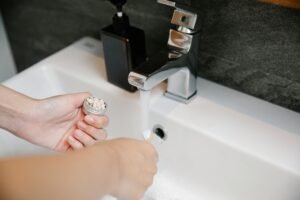
Person cleaning a bathroom sink drain under running water as part of a daily cleaning habit.

The Power of a Five-Minute Morning Routine
Start your day with a quick tidy. This habit has a powerful psychological effect. A tidy space creates a calm mind. First, make your bed immediately after waking up. This simple act makes your bedroom look organized instantly.

Next, tackle the kitchen. Rinse your breakfast dishes and load the dishwasher. If you do not have one, wash them quickly. Then, wipe the kitchen counters and the dining table. Use an all-purpose cleaner and a cloth. This routine takes less than five minutes. However, it transforms the start of your day completely.

Implement the “Do It Now” Principle
Procrastination creates clutter. The “do it now” principle fights this tendency. For example, when you take off your coat, hang it up right away. Do not drape it over a chair. Similarly, when you open mail, recycle the envelopes immediately.

Apply this to cooking, too. Put ingredients away as you finish using them. Rinse tools while food is cooking. This principle stops small tasks from becoming big chores. Instead of creating a pile for “later,” you handle things in the moment. This is a cornerstone habit for maintaining order.

Keep Your Kitchen Clean After Each Meal
The kitchen is a daily mess magnet. A clean kitchen makes the whole house feel cleaner. Develop the habit of cleaning as you cook. However, a post-meal wipe-down is also essential. After eating, clear all plates and food items first.

Then, wash the dishes or load the dishwasher completely. Do not let them sit. Finally, wipe all surfaces. This includes countertops, the stovetop, and the outside of appliances. A quick sweep of the floor under the table is also helpful. This daily practice prevents grease and crumbs from building up.

Master Bathroom Spot Cleaning
Bathrooms require frequent attention to stay fresh. Fortunately, daily maintenance is very easy. Keep a spray bottle of cleaner and a microfiber cloth under the sink. After you use the sink in the morning, quickly spray and wipe it dry.

After showering, use a squeegee on the walls and glass door. This prevents hard water stains. Also, hang towels neatly so they dry properly. Finally, give the toilet a quick brush with a disposable wand cleaner. These tiny actions make weekly deep cleans much faster.

Conduct a Ten-Minute Evening Reset
An evening reset prepares you for a good morning. Spend the last ten minutes before bed tidying living areas. First, walk through the main rooms with a laundry basket. Collect any stray items like toys, books, or blankets.

Return each item to its proper home. Next, fluff the cushions on your sofa and chairs. Then, ensure all trash is in the bins. Finally, make sure the kitchen sink is empty and shiny. This ritual is calming. You will sleep better and wake up to a serene space.

Manage Floors Daily Without Mopping
You do not need to mop your floors every day. However, daily floor care stops dirt from spreading. Implement a strict “no outdoor shoes inside” policy. Place a shoe rack or basket by the door. This single habit cuts down on most dirt.

Keep a small handheld vacuum or broom in an accessible closet. Do a quick one-minute sweep of high-traffic areas each evening. Focus on the kitchen entryway and hallway. Also, clean up spills immediately with a damp cloth. This stops stains and sticky spots from forming.

Conquer Laundry with a Consistent System
Laundry piles can become overwhelming very quickly. Avoid this with a simple daily system. First, sort laundry as you disrobe. Use separate hampers for lights, darks, and towels. When one hamper is full, it is time to run a load.

Try to wash, dry, and fold one load each day. Never let clean laundry sit in the basket. Fold it while watching television or listening to a podcast. Then, put it away immediately. This steady stream approach prevents laundry day from taking over your weekend.

Declutter One Surface at a Time
Clutter makes cleaning feel harder. Tackle it slowly with a daily decluttering habit. Each day, choose one small surface to clear. For example, clean off your coffee table on Monday. Then, organize your desk drawer on Tuesday.

The rule is simple: every item must be decided upon. You can put it away, throw it away, or donate it. Do not just move it to another pile. Spending five minutes a day on this habit creates massive change over weeks. Clear surfaces are easier to clean and promote mental clarity.

Make Your Bedroom a Sanctuary
Your bedroom should be a place for rest. Keep it tidy with two daily habits. First, as mentioned, make your bed every morning. Second, do a “clothing check” each night. Put away any clothes from the day.

Place dirty clothes in the hamper. Hang up or fold clean clothes. Finally, open a window for a few minutes to air out the room. These actions take mere moments. However, they ensure your bedroom remains a peaceful retreat from the world.

Organize Your Cleaning Supplies for Success
You cannot form easy habits if supplies are hard to find. Organize your cleaning tools for efficiency. Store products where you use them. Keep bathroom cleaner under the bathroom sink. Store glass cleaner and cloths in a kitchen cabinet.

Use a caddy to carry items from room to room. This saves time and mental energy. Also, ensure you have basic, versatile products. You really only need an all-purpose cleaner, a scrubbing paste, and a good glass cleaner. Simple tools make simple habits easier to maintain.

Involve the Whole Household
Cleaning should not be one person’s job. Even in a home alone, you can create systems. For families, hold a brief meeting to explain the new daily habits. Assign age-appropriate tasks to children. For example, a child can be responsible for putting their toys in a bin each night.

Create a simple checklist for common areas. A chart on the fridge can remind everyone to do their part. Focus on teamwork, not perfection. When everyone contributes a little, the home benefits a lot. This also teaches valuable life skills to children.

Overcoming Common Obstacles and Staying Motivated
Everyone misses a day sometimes. The key is to not give up entirely. If you skip your evening reset, just do a longer morning tidy. Motivation often comes after starting, not before. Therefore, just begin the small task. You will usually finish it.

Track your progress visually. Mark a calendar for each day you complete your habits. This creates a satisfying chain you will not want to break. Furthermore, reward yourself for consistency. After a week of successful habits, enjoy a special treat. Remember, you are building a lifestyle, not just checking tasks off a list.

The Long-Term Benefits of Simple Daily Cleaning Habits
These small actions compound into significant results. Firstly, you will spend less time overall cleaning. Weekend hours are freed for hobbies and relaxation. Secondly, your home will always be presentable for unexpected guests.

Thirdly, a tidy environment reduces daily stress and anxiety. You will feel more in control of your space and your time. Finally, these habits spill over into other areas of life. The discipline and order create a foundation for productivity and peace. The daily effort is minimal, but the cumulative reward is immense.

Easy Home Setup Tips for Small Houses

Easy Home Setup Tips for Small Houses: A Beginner’s Guide to Maximizing Space
Setting up a small home can feel like a challenging puzzle. However, with a few clever strategies, you can transform your compact space into a functional and stylish haven. The key is to prioritize smart organization and intentional design. These small house setup tips are designed for beginners, using simple concepts to create a big impact. You do not need a large budget or professional help. Instead, you can use creativity and planning to make every square foot work for you. This guide will walk you through practical, easy-to-follow steps to set up your small house efficiently and beautifully.

Small cozy studio apartment: bunk bed, multifunctional wooden shelf, round table, sofa, plants, bright and organized space

Start With a Decluttering Plan
Before you arrange any furniture, you must address clutter. Clutter is the biggest enemy of small spaces. It makes rooms feel cramped and chaotic. As a result, your first step is to sort through all your belongings. Use a simple three-box method: keep, donate, and discard. Be honest about what you truly need and use regularly. For example, if you have not used an item in over a year, you should likely donate it. This process creates a clean foundation. Consequently, your subsequent decorating efforts will be much more effective.

Choose Multifunctional Furniture
In a small house, every piece of furniture should earn its keep. Therefore, focus on items that serve more than one purpose. A classic example is a sofa bed for the living room. It provides seating by day and transforms into a guest bed at night. Similarly, consider an ottoman with hidden storage inside. You can use it as a footrest, extra seating, and a place to store blankets. Another excellent choice is a drop-leaf dining table. It can be compact against a wall for daily use and expanded when you have visitors. This approach effectively doubles your functionality without needing more floor space.

Utilize Your Vertical Space
Walls are your most underused asset. Instead of letting them sit empty, use them for storage and decoration. Floor space is limited, so thinking upward is a core part of small house setup tips. Install floating shelves to hold books, plants, and decorative items. You can also mount your television to free up the console below. In the kitchen, use a sturdy wall rail with hooks for pots, utensils, and mugs. In bedrooms, consider tall, narrow dressers rather than wide, short ones. Over time, you will find that vertical storage keeps your essentials accessible and your floors clear.

Embrace Light and Bright Colors
Color choice dramatically affects how large a room feels. Dark colors tend to make walls feel like they are closing in. However, light and bright colors reflect natural and artificial light. As a result, they make spaces feel more open and airy. Opt for soft whites, light grays, pale blues, or creams for your walls and large furniture. You can then add personality with colorful accents through pillows, rugs, and art. Furthermore, mirrors are a powerful tool. Placing a large mirror opposite a window reflects light and gives the illusion of depth, effectively making the room feel bigger.

Define Zones in Open Areas
Many small homes and apartments have open floor plans. While this is great for flow, it can lack definition. You can create distinct areas for living, dining, and working without building walls. Use area rugs to anchor a seating arrangement. A bookshelf or a console table can act as a subtle room divider. For example, place a sofa with its back to the dining area to visually separate the spaces. Different lighting for each zone also helps. A pendant light over the dining table and a floor lamp by the sofa clearly mark different purposes within one room.

Optimize Storage in Unexpected Places
Look for unused nooks that can provide valuable storage. The area under your bed is perfect for slim rolling bins for off-season clothes. You can install shelves above doorways for decorative baskets. Use the inside of cabinet doors for spice racks or cleaning supply organizers. In the kitchen, use a tension rod inside a sink cabinet to hang spray bottles. Another idea is to use a pegboard on a blank wall in an office or craft area. This keeps tools visible and within reach while saving drawer space. These small small house setup tips collectively free up significant room.

Keep Pathways Clear
Traffic flow is crucial in a compact layout. Your furniture arrangement should allow for easy movement. Ensure there is a clear, unobstructed path through each room. Avoid pushing all furniture against the walls. Instead, you might float a small sofa away from the wall to create a walkway behind it. This can actually make the room feel larger. Always measure your space and the furniture before you buy. Leave at least two to three feet for main walkways. Consequently, your home will feel more spacious and be much easier to navigate daily.

Select the Right Scale of Furniture
Oversized furniture can instantly overwhelm a small room. Choose pieces that are proportionate to your space. Look for apartment-sized sofas, armless chairs, and slender tables. Furniture with exposed legs, rather than solid blocks to the floor, creates a sense of lightness and visual space. For instance, a glass-top coffee table takes up less visual weight than a solid wooden one. Before shopping, note your room’s dimensions and set a maximum size for each key piece. This proactive step prevents the common mistake of bringing in furniture that is simply too large.

Incorporate Smart Lighting Layers
Good lighting is essential for making a small house feel welcoming. Relying on a single overhead light can create harsh shadows. Instead, use a layered lighting approach. Combine ambient (general overhead), task (for specific activities like reading), and accent (to highlight decor) lighting. Use table lamps on side tables, a floor lamp in a dark corner, and under-cabinet lights in the kitchen. Dimmers are also a great investment. They allow you to adjust the mood and intensity of light, making the space more versatile and cozy in the evenings.

Add Personal Touches Without Clutter
Your home should reflect your personality. However, in a small space, you must be selective. Choose a few meaningful pieces of art, photographs, or souvenirs to display. Create a small gallery wall with a coordinated set of frames rather than scattering many small items on every surface. Use functional items as decor, like a beautiful teapot on the stove or a colorful blanket draped over a chair. Regularly edit your displayed items. Rotating decor seasonally keeps your space feeling fresh without permanently adding more stuff.

Maintain Your Setup Regularly
Finally, the work does not end after the initial setup. Small spaces require consistent maintenance to stay functional. Make it a habit to return items to their designated storage spots. Spend ten minutes each evening tidying up surfaces. Revisit your decluttering plan every few months. Over time, our needs change, and so should our spaces. By maintaining order, you protect the effort you put into implementing these small house setup tips. As a result, your small house will remain a peaceful, efficient, and enjoyable place to live.

Page 3 of 4

Powered by HMClean & ©2026