
Learning how to make your home feel cozy is about understanding comfort, warmth, and balance inside living spaces. A cozy home supports daily life by making rooms feel calm, welcoming, and easy to use. This topic focuses on simple home adjustments that improve comfort without complex design knowledge.
This guide explains how light, color, furniture placement, textures, and daily habits work together. Each section uses clear language and everyday examples. The goal is to help beginners understand how small changes influence how a home feels over time.
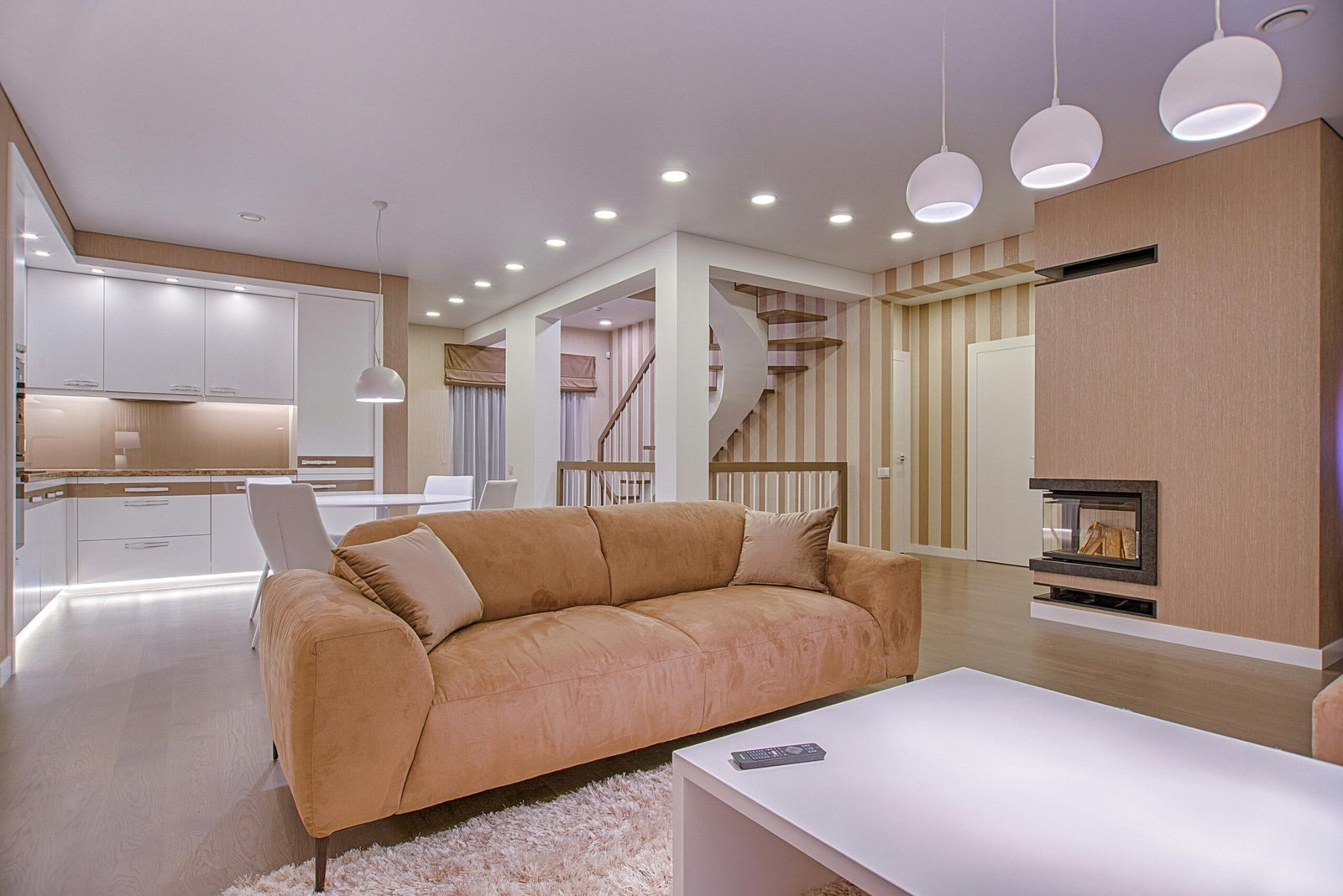
Understanding What Makes a Home Feel Cozy
A cozy home usually feels warm, calm, and balanced. It does not depend on size or location. Instead, it depends on how spaces support daily activities.
Comfort often comes from softness, gentle light, and organized layouts. When rooms feel easy to move through, people feel more relaxed. As a result, the home feels more welcoming.
Cozy spaces also reduce visual noise. Fewer distractions allow the mind to rest. Over time, this creates a sense of ease and familiarity.
How to Make Your Home Feel Cozy With Proper Lighting
Lighting plays a major role in how rooms feel. Bright, harsh light can make spaces feel cold. Softer light creates warmth and balance instead.
Using multiple light sources helps spread light evenly. For example, a ceiling light can support visibility, while table lamps add gentle brightness. As a result, rooms feel calmer in the evening.
Natural light also matters. Opening curtains during the day allows sunlight to enter. This supports comfort and improves how colors appear in the room.
Choosing Calm and Balanced Colors
Color influences mood and comfort. Soft, neutral colors often help spaces feel calm. These include gentle shades that do not overwhelm the eyes.
Walls, floors, and large furniture surfaces affect how color spreads. When these areas use calm tones, rooms feel more open. As a result, people feel less tension in the space.
Small color accents can add warmth. For example, cushions or rugs in gentle tones create balance without clutter.
Using Soft Textures to Add Warmth
Texture affects how a room feels both visually and physically. Soft materials often make spaces feel warmer and more inviting.
Items such as fabric cushions, curtains, or blankets add comfort. These materials reduce harsh lines and create visual softness.
Mixing textures also helps. Smooth surfaces combined with soft fabrics create balance. Over time, this makes the room feel layered and comfortable.
Furniture Placement and Comfortable Flow
Furniture arrangement affects movement and comfort. When furniture blocks pathways, rooms feel crowded. Clear walking areas improve ease of use.
Placing seating where people naturally gather supports connection. For example, chairs facing each other encourage conversation.
Leaving small open spaces around furniture prevents heaviness. As a result, rooms feel lighter and more welcoming.
Keeping Rooms Organized and Clutter-Free
Clutter can reduce comfort quickly. Too many visible items create visual stress. Organized spaces feel calmer and easier to use.
Storage solutions help manage everyday items. Baskets, shelves, and drawers keep objects in place. This supports a tidy appearance.
Regular organization habits prevent buildup. Over time, this helps maintain a cozy feeling throughout the home.
Adding Personal and Familiar Elements
Personal items help a house feel lived in. These items remind people of daily routines and memories.
Examples include family photos, handmade items, or books. When placed thoughtfully, these items add warmth without overcrowding.
Keeping displays simple prevents distraction. As a result, personal items support comfort rather than clutter.
How to Make Your Home Feel Cozy Through Daily Habits
Daily habits influence how spaces feel. Simple routines support comfort without changing physical design.
Opening windows for fresh air improves indoor comfort. Regular cleaning keeps surfaces pleasant to use.
Adjusting lighting in the evening helps signal rest time. Over time, these habits support a calm home environment.
Temperature and Air Comfort Inside the Home
Comfort also depends on temperature and air quality. Rooms that feel too cold or too warm can reduce coziness.
Using appropriate ventilation helps maintain balance. Fresh air supports comfort and reduces heaviness in rooms.
Soft furnishings can also help retain warmth. As a result, spaces feel more stable and pleasant during daily use.
Sound and Quiet Balance in Living Spaces
Sound affects how a home feels. Loud or echoing spaces may feel uncomfortable. Soft surfaces help absorb sound.
Curtains, rugs, and cushions reduce noise reflection. This creates a quieter environment.
Maintaining a balance between quiet and everyday sounds supports relaxation. Over time, this contributes to a cozy atmosphere.
Creating Cozy Spaces in Small Homes
Small homes can feel cozy with thoughtful planning. Using light colors helps rooms feel open.
Multi-use furniture supports function without overcrowding. Clear storage keeps surfaces open.
Keeping decorations minimal prevents visual overload. As a result, small spaces feel comfortable and organized.
Creating Cozy Spaces in Larger Homes
Larger homes need defined areas to feel cozy. Open spaces can feel empty without structure.
Using rugs or lighting helps define zones. For example, a seating area feels more inviting when clearly outlined.
Breaking large rooms into smaller sections supports comfort. Over time, this makes large homes feel more personal.
Seasonal Adjustments for Ongoing Comfort
Homes change with seasons. Adjusting fabrics and lighting supports comfort year-round.
Lighter materials feel better during warm months. Thicker textures add warmth in cooler periods.
Making small seasonal changes helps maintain balance. As a result, the home feels comfortable throughout the year.
Leave a Reply