
Small Changes That Make Your Home Feel Better

Simple Home Comfort Upgrades for a Better Living Space
Your home should be your sanctuary. However, it might not always feel that way. The good news is you do not need a big budget or a full renovation. Instead, you can focus on small, thoughtful home comfort upgrades. These minor adjustments can significantly improve how your space looks, feels, and functions. This guide will walk you through simple changes anyone can make.

We will cover ideas for your senses and your space. As a result, you can create a home that truly feels better to be in. The goal is to enhance your daily life with minimal effort. Let us explore these practical steps you can start today.

SEO Title: Simple Home Comfort Upgrades for a Better Living Space

Slug: small-home-changes-for-better-comfort

Focus Keyphrase: home comfort upgrades

Meta Description: A woman neatly arranging a light-colored throw blanket on a cozy beige sofa in a minimal, softly lit living room with neutral decor and a small table holding flowers and a candle.

Start by Reconsidering Your Lighting
Harsh overhead lighting is a common issue. It can make a room feel sterile and unwelcoming. For a cozier atmosphere, you should use multiple light sources. This approach is called layering. First, ensure you have good ambient light from ceiling fixtures. Then, add task lighting for specific activities. A reading lamp by a chair is a perfect example.

Finally, incorporate accent lighting to highlight features. For instance, you can use small LED strips on bookshelves. Warm white bulbs are also much gentler than cool blue ones. This simple swap is a powerful home comfort upgrade. It makes evenings feel instantly more relaxing and softens the entire room.

Introduce Pleasant Scents Naturally
Smell is closely linked to memory and emotion. A pleasant scent can therefore change how you perceive your home. However, avoid strong synthetic air fresheners. Instead, use natural methods to create a subtle aroma. Simmering citrus peels with herbs on the stove is an excellent option. Similarly, a few drops of essential oil in a diffuser works well.

You can also place dried lavender in a bowl or use naturally scented beeswax candles. Over time, your brain will associate these gentle scents with safety and comfort. This makes walking into your home a more delightful experience. It is a nearly invisible change with a very noticeable effect.

Incorporate Soft Textiles and Textures
Hard surfaces can make a space feel cold and echoey. The easiest fix is to add soft textiles. Begin with a comfortable area rug if you have hard floors. This anchors your furniture and feels warm underfoot. Next, consider your soft furnishings. Swap out thin cushions for plump, supportive ones.

Drape a soft throw blanket over your sofa or chair. You can even update your towels and bathmat to thicker, more absorbent versions. These textures invite you to touch and relax. Consequently, your home will feel more physically comforting and visually layered.

Declutter Your Surfaces Mindfully
Clutter causes visual noise and mental stress. It makes cleaning difficult and spaces feel chaotic. Start with just one surface, like your kitchen counter or entryway table. Remove everything and clean the space thoroughly. Then, only return the items you truly need or love.

For example, keep the coffee maker but store the toaster in a cupboard. Use a nice tray to corral a few daily essentials. Apply this process to shelves, nightstands, and desks. As a result, your home will feel calmer and more spacious. This simple act of editing is a free and highly effective comfort upgrade.

Bring the Outside In with Greenery
Plants are one of the best home comfort upgrades. They purify air, add vibrant life, and connect us to nature. If you are new to plant care, begin with low-maintenance varieties. A sturdy snake plant or a forgiving pothos vine are great choices. Place them where they will get the appropriate light.

You do not need a large garden. A single healthy plant on a windowsill makes a difference. Furthermore, you can use fresh cut flowers or leafy branches in a vase. This touch of green creates a serene, organic feeling. It reminds us of growth and calmness every day.

Curate a Soothing Color Palette
Color powerfully influences mood. You do not need to repaint entire rooms. Instead, introduce calming colors through accessories. Soft blues, gentle greens, warm neutrals, and muted earth tones are generally relaxing. Look for these colors in items you can change easily.

For instance, you can buy new pillow covers, a tablecloth, or even just a set of mugs. Over time, a cohesive, soothing palette will emerge. This makes your environment feel more intentional and harmonious. However, if you love bright colors, use them as small accents against a neutral base.

Personalize Your Space with Meaningful Items
A home filled only with generic decor can feel impersonal. Your space should reflect who you are and what you love. Therefore, display items with personal meaning. Create a small gallery wall of family photos or favorite artwork. Place souvenirs from travels on a shelf.

Use a beloved vintage quilt on your bed. Rotate these items seasonally to keep things fresh. This practice transforms a house into your home. It surrounds you with positive memories and stories. Every glance will then reinforce a sense of belonging and happiness.

Improve Everyday Functionality
Small frustrations can ruin your comfort. A drawer that sticks or a dim corner for reading adds daily stress. Address these minor annoyances directly. Fix the sticky drawer with a little soap on the track. Install a motion-sensor light in a dark closet.

Organize your most-used kitchen utensils in a countertop jar. Place a small basket by the door for keys and wallets. These tiny functional fixes prevent daily friction. They make routines smoother and your home feel more caring and efficient.

Create Dedicated Zones for Relaxation
Our homes often serve many purposes. This can make true relaxation difficult. The solution is to define a specific spot for unwinding. It does not require a whole room. A corner with a comfortable chair and good light can become your reading nook.

A window seat with a cushion can be a meditation spot. Even a cozy floor pillow next to a pet bed works. The key is to make this area inviting and screen-free. Over time, your mind will learn to associate this spot with calm. It becomes a visual cue to slow down and breathe.

Home Mistakes That Make Daily Life Harder

Avoid These Home Mistakes That Make Daily Life Harder: Easy Fixes

Our homes should be places of peace and productivity. However, small errors in how we organize and maintain our spaces can create daily friction. Many people make home mistakes that make daily life harder without even realizing it. These missteps can transform simple activities into sources of frustration. As a result, your daily routine becomes more challenging than it needs to be. This guide will highlight these common errors and provide clear, actionable fixes. By addressing them, you can create a more functional and calming living environment.

A modern, cozy home office with a stone-textured wall, framed black-and-white photos arranged as a gallery, a wooden desk with a computer, a white chair, a large indoor plant, and a cushioned lounge chair on a wooden floor.

What Are the Home Mistakes That Make Daily Life Harder?
First, let’s define the scope. Home mistakes that make daily life harder are often habitual oversights. For example, they include poor organization, bad lighting, and inefficient layouts. These errors seem minor at first. However, over time, they compound to create significant daily stress. The good news is that identifying them is the first step toward a smoother life. This section will overview the common categories. Then, we will delve into each one with practical examples.

Cluttered Entryways: A Recipe for Morning Stress
Your entryway sets the tone for your day. A messy one filled with shoes, coats, and bags creates instant chaos. Instead of a smooth exit, you waste time searching for items. This mistake makes leaving the house a stressful event.

Consider a typical scenario. You are running late for work. However, you cannot find your car keys because they are buried under mail. Similarly, your favorite shoes are hidden in a pile. This daily search adds minutes of unnecessary stress.

To fix this, create a simple system. Install hooks for keys and bags. Use a shoe rack to keep footwear organized. A small bench with storage can also help. Consequently, you will create a streamlined morning routine. Additionally, make it a habit to declutter the entryway each evening.

Dim Lighting: Straining Eyes and Energy
Poor lighting is a common home mistake. It forces your eyes to work harder, leading to strain and headaches. For instance, trying to read in a dimly lit corner is difficult. Over time, this can affect your mood and energy levels.

Lighting has three main types: ambient, task, and accent. Ambient lighting provides general illumination for a room. Task lighting focuses on specific activities like reading. Accent lighting highlights decorative features. A balance of all three creates comfort.

Add multiple light sources to each room. Use overhead lights for general illumination. Then, incorporate task lighting for specific activities. Table lamps and floor lamps can brighten dark corners. Therefore, you will create a more inviting space.

Kitchen Chaos: The Time-Sink Layout
An inefficient kitchen layout wastes time and effort. For example, if your trash can is far from the prep area, you make extra trips. Similarly, storing dishes far from the dishwasher increases cleanup time. This mistake turns cooking into a chore.

The classic kitchen work triangle connects the sink, stove, and refrigerator. This design minimizes movement between these key areas. However, many homes have layouts that ignore this principle. As a result, you walk unnecessary distances.

Instead, apply the kitchen work triangle principle. Keep the sink, stove, and refrigerator in an efficient arrangement. Store items near where you use them most. As a result, you will reduce unnecessary movement. For instance, keep pots and pans near the stove.

Overstuffed Drawers: The Hidden Frustration
Crammed drawers and cabinets are a daily nuisance. You struggle to find what you need, often causing items to spill out. This mistake makes getting dressed or finding tools needlessly hard. For instance, a jammed utensil drawer slows meal preparation.

Overstuffing happens gradually. You add new items but rarely remove old ones. Consequently, drawers become packed with unused things. This clutter hides the items you actually use. For example, a stuffed sock drawer makes finding a pair difficult.

To solve this, practice regular decluttering. Remove items you no longer use. Then, use drawer dividers to organize what remains. Consequently, you will gain easy access to your belongings. Schedule a quarterly review of your drawers.

Ignoring Small Repairs: From Nuisance to Nightmare
Neglecting minor maintenance leads to bigger problems. A leaky faucet, for example, wastes water and can cause damage. Similarly, a loose cabinet hinge might eventually break. This mistake transforms small fixes into costly repairs over time.

Many people postpone repairs due to busy schedules. However, small issues rarely fix themselves. Instead, they worsen over time. A dripping faucet can lead to water stains and mold growth. A squeaky door hinge can become a broken door.

Instead, address issues as soon as you notice them. Keep a basic toolkit handy for simple tasks. Schedule monthly checks for common trouble spots. Therefore, you will prevent small issues from becoming major headaches. For example, tighten loose screws on furniture.

No Landing Zone: Losing Keys and Peace of Mind
A landing zone is a designated spot for daily essentials. Without it, items like keys, mail, and phones get misplaced. This mistake creates daily searches and anxiety. For instance, rushing to find your keys can make you late.

A landing zone acts as a command center for your daily items. It should be located near where you enter and exit your home. However, many homes lack this simple feature. As a result, important items scatter throughout the house.

Create a landing zone near your entryway. Use a bowl for keys, a tray for mail, and a charger for devices. As a result, you will always know where your important items are. This simple change brings instant calm to your daily routine.

Ineffective Storage: Searching Instead of Living
Storage should make life easier, not harder. When items are stored haphazardly, you waste time searching. This mistake affects everything from kitchen supplies to bathroom toiletries. For example, digging through a packed closet for a towel is frustrating.

Effective storage is about accessibility and visibility. If you cannot see an item, you are likely to forget it. Similarly, if it is hard to reach, you will avoid using it. This leads to underutilized spaces and daily frustration.

Implement smart storage solutions. Use clear bins for better visibility. Label shelves and containers for easy identification. Additionally, store frequently used items at eye level. Consequently, you will spend less time searching. For instance, in the pantry, group similar items together.

Practical Solutions for a Smoother Home Life
Now that you know the mistakes, let’s focus on solutions. Start with one area at a time to avoid overwhelm. For example, tackle your entryway first this weekend. Then, move to the kitchen next week. Small, consistent changes yield big results over time.

Prioritize based on impact. Which mistake causes you the most daily frustration? Address that one first. However, remember that perfection is not the goal. Instead, aim for progress that enhances your daily life. As a result, your home will become more functional.

Involve your household members. Explain the benefits of these changes. For instance, a landing zone helps everyone find their keys quickly. Similarly, organized drawers make mornings easier for all. Teamwork ensures that solutions are maintained.

Easy Home Clean Tips for Busy Days

Easy Home Clean Tips for Busy Days
Keeping a clean home can feel impossible on a busy schedule. However, a tidy space reduces stress and saves time. The solution is not deep cleaning for hours. Instead, you need efficient systems. This guide offers practical quick home cleaning strategies for busy people. We will focus on simple, sustainable habits. As a result, you can maintain order without sacrificing your entire day.

The key is shifting your mindset. You are not aiming for perfection. You are aiming for manageable cleanliness. Over time, small, consistent efforts create big results. These strategies are designed for real life with work, family, and limited energy. Let’s explore how you can keep your home welcoming with minimal daily effort.

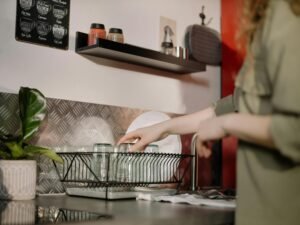
Person placing clean drinking glasses into a black dish rack on a kitchen counter, with shelves, jars, and kitchen decor visible in the background.

The Core Mindset: Clean Smarter, Not Harder
First, forget the idea of cleaning everything at once. That approach leads to burnout. Instead, adopt a preventative and targeted mindset. Your goal is to stop messes from piling up. For example, clean spills immediately. Put items away after using them. This proactive habit takes seconds.

However, it prevents a huge cleanup later. Another smart tactic is to declutter regularly. Less stuff means less to clean around and organize. Ultimately, working smarter reduces your total cleaning time. You protect your weekends and free up mental space.

Your Daily Five-Minute Rescue Routine
Daily maintenance is your most powerful tool. Set a timer for just five minutes each day. Use this time to quickly reset your main living areas. Focus on visible surfaces and high-traffic zones. For example, clear coffee tables and kitchen counters. Fluff couch cushions and fold throw blankets.

Put away any items that are out of place. Quickly sweep the kitchen floor if needed. This small daily investment creates immediate visual calm. Furthermore, it prevents clutter from becoming overwhelming. Doing this daily makes weekly cleaning far easier.

The Speed-Clean Bathroom Method
Bathrooms need regular attention but can be done fast. Keep a spray cleaner and microfiber cloth under each sink. During your daily routine, quickly wipe down the sink and faucet. This prevents water spots and toothpaste buildup. Once a week, tackle the toilet and shower.

However, you can use a brilliant time-saving trick. Spray shower cleaner on the walls after your last shower of the week. Let it sit while you wipe the mirror and counter. Then, simply rinse the shower with water. This method cuts scrubbing time in half.

Kitchen Cleanup Without the Fuss
The kitchen is a daily mess magnet. Implement a “clean as you cook” policy. Wash utensils or load the dishwasher while food simmers. Wipe the stovetop right after cooking. This prevents grease from hardening. Likewise, run the dishwasher every night.

Empty it first thing in the morning. As a result, dirty dishes have a place to go all day. A quick nightly wipe of counters and the sink takes two minutes. It ensures you start each morning with a clean, fresh kitchen.

Tackling Floors Efficiently
Floors collect dirt quickly and make a home look messy. However, you do not need to mop daily. First, place good mats at every entrance. These trap dirt before it spreads. Second, use a quick-dry spray mop. Keep it handy in a closet.

You can spot-clean high-traffic areas in minutes. For a full clean, focus on one floor type per day. Vacuum carpets on Monday, for instance. Then, mop hard floors on Tuesday. This splits the work into manageable chunks.

The Power of Strategic Micro-Cleaning
Micro-cleaning means tackling tiny tasks instantly. This strategy leverages moments you already have. For example, wipe the fridge handle while waiting for your coffee. Scrub the microwave interior after heating lunch. Dust a shelf while on a phone call.

These actions take less than sixty seconds. Over time, they drastically reduce your cleaning to-do list. The mess never accumulates enough to become a big project. This is a cornerstone habit for busy households.

Essential Tools for Fast Cleaning
The right tools make cleaning faster and simpler. You do not need many products. Invest in a few quality items. A good cordless vacuum encourages quick floor passes. Microfiber cloths grab dust and dirt without chemical sprays.

A caddy to carry supplies saves trips back and forth. Also, designate a cleaning cloth for each room. This prevents cross-contamination. Having these tools accessible eliminates excuses. You can start a small task immediately.

The Ten-Minute Tidy Before Bed
A brief evening routine sets up a peaceful morning. Spend the last ten minutes before bed on a home reset. Walk through main living areas with a basket. Collect stray items and return them to their homes. Ensure dishes are in the dishwasher.

Wipe the kitchen counter one last time. Straighten pillows and blankets in the living room. This final reset means you wake up to order. Consequently, you start your day feeling calm and in control.

Involving the Whole Household
You should not manage home cleanliness alone. Even young children can help with simple tasks. Make cleaning a team effort. Assign age-appropriate chores to everyone. For example, kids can put away toys and place mats on the table.

A partner can handle trash and recycling. Use a simple chart if it helps. When everyone contributes, the work lightens for all. More importantly, it teaches shared responsibility for your shared space.

Managing Paper Clutter Daily
Paper clutter spreads quickly. Stop it at the source by dealing with mail immediately. Keep a recycling bin near your entry point. Sort mail as soon as you bring it inside. Recycle junk mail right away.

File important bills in a designated folder. For school papers, use a temporary display board. At the end of the month, sort and keep only the essentials. This daily two-minute habit prevents paper piles from forming.

A Simple Weekly Rotation Plan
Some tasks only need weekly attention. Create a simple rotation to avoid forgetting them. For instance, dedicate Monday to vacuuming. Tuesday could be for bathroom cleaning. Wednesday might focus on dusting surfaces.

This plan spreads 30 minutes of focused cleaning across the week. It feels much easier than a multi-hour marathon. Adjust the days to fit your personal schedule. The consistency, however, is what delivers results.

Simple Ways to Keep Your Rooms Neat

Walking into a messy room can instantly drain your energy. You might feel stressed or unable to focus. However, creating a neat space is not about perfection. It is not about spending your entire weekend cleaning. Instead, it is about building simple, maintainable habits. This guide will show you practical and simple ways to keep your rooms neat. We will focus on easy steps that anyone can follow, even if you are very busy or new to organizing. As a result, you can transform your home into a calmer, more inviting space. Let us begin by understanding why neatness matters and how to start with the right mindset.

Child getting ready in front of a bathroom mirror as part of a simple daily home habit

Why Neatness Matters for Your Daily Life

A cluttered room affects more than just your eyesight. It impacts your mind and your time. Studies show that physical clutter can increase anxiety and make it hard to relax. However, a tidy room promotes a sense of control and calm. For example, starting your day in a neat bedroom sets a positive tone. You save precious minutes each morning not searching for your keys or a matching sock. Over time, these small savings add up to hours of reclaimed time. Therefore, viewing tidiness as a form of self-care is the first step.

The Power of a Five-Minute Daily Habit

The biggest mistake people make is waiting for clutter to become overwhelming. Instead, the key is consistent, tiny efforts. One of the most effective simple ways to keep your rooms neat is the daily five-minute reset. Choose a specific time, like right before bed or after dinner. Set a timer for just five minutes. During this time, you will quickly restore order. Focus on surfaces: put away books, file papers, return dishes to the kitchen, and fluff pillows. This habit prevents mess from accumulating. As a result, you avoid the need for marathon cleaning sessions later.

How the “One In, One Out” Rule Controls Clutter

Clutter is simply too much stuff in too little space. A powerful rule to manage this flow is called “One In, One Out.” The concept is straightforward. Whenever you bring a new item into your home, you must let go of a similar old one. For instance, if you buy a new sweater, look through your closet and choose one to donate. This rule applies to mugs, toys, books, and kitchen tools. It forces you to make conscious decisions about what you own. Consequently, your belongings remain at a manageable level without constant expansion.

Give Every Item a Clear and Specific Home

A permanent mess is often just a collection of items without a home. If you do not know where something belongs, it will always be left out. Therefore, your primary organizing task is to assign a specific home for everything. Be very precise. Do not just say “office supplies.” Instead, decide that scissors go in the top desk drawer, pens in the cup on the desk, and stamps in the small box on the shelf. Use labels on bins and drawers if it helps you remember. When everything has a dedicated spot, tidying up is just the act of returning items there.

Use Smart and Simple Storage Solutions

You do not need expensive organizing systems. Often, simple containers are the best solution. The goal is to contain clutter visually. Use baskets for remotes and magazines in the living room. Use clear bins for seasonal items under the bed. Install hooks on the back of doors for bags and robes. In the kitchen, use drawer dividers for utensils. For example, a tiered shelf inside a cabinet doubles your space for plates and bowls. Smart storage works by making it easier to put things away than to leave them out.

Conquer Paper Clutter Before It Piles Up

Paper is one of the fastest clutter creators. Mail, school flyers, receipts, and magazines can cover a surface in days. The solution is to handle paper immediately. Keep a recycling bin, a shredder, and a filing system near your entry point. When you get the mail, sort it over the recycling bin. Toss junk mail right away. File bills or important documents in a designated folder immediately. For school papers, have a display board or a single binder for your child’s artwork. This proactive stop prevents piles from ever forming.

Start Your Day by Making Your Bed

This habit takes less than two minutes but has a powerful ripple effect. A neatly made bed instantly makes the entire bedroom look more orderly. It is a completed task that gives you an early sense of accomplishment. Psychologically, it discourages you from dumping other items on the bed throughout the day. As a result, the room maintains a baseline of neatness. It is a simple cornerstone habit that encourages you to keep the rest of the space tidy.

Identify and Clear Your Weekly “Clutter Hot Spots”

Every home has them: those spots where clutter magically appears. It might be the kitchen counter, the chair in the bedroom, or the entryway table. These are your “clutter hot spots.” Identify the top three in your home. Then, once a week, schedule a five-minute session for each one. Completely clear the surface. Wipe it down. Make a conscious effort for the next few days not to drop things there. This weekly reset breaks the habit of using that space as a dumping ground.

Incorporate the “Clean As You Go” Method

One of the most natural simple ways to keep your rooms neat is to tidy during the natural pauses in your activities. While cooking, wash the mixing bowl after you pour the batter. After applying makeup, put the products back in the drawer. When you change out of clothes, put them directly into the hamper. During TV commercials, quickly fold a throw blanket or organize the coffee table. This method integrates tidying into the flow of your life. Therefore, it never feels like a separate, burdensome chore.

Perform an Evening Tidy-Up Walk-Through

End your day on a calm note with a ten-minute evening walk-through. Carry a basket or a tote bag with you. Walk through the main living areas: living room, kitchen, dining area. Collect any items that are out of place and put them in the basket. Return these items to their proper rooms. Straighten couch cushions, fold blankets, and wipe the kitchen counter. This final act ensures you wake up to a serene environment. It is a gift to your future morning self and a peaceful ritual to end the day.

Simplify Your Belongings with Regular Decluttering

Neatness is harder when you own more than you need. Periodically, you must edit your belongings. Schedule a short decluttering session for one small area per month. For example, focus only on your bathroom cabinet or your sock drawer. Take everything out. Ask yourself: Do I use this? Do I love this? Does it work? Be honest. If an item is broken, unused, or unloved, thank it and let it go. Donate, recycle, or toss it. Regular decluttering makes daily tidying much faster and easier.

Create a Simple and Realistic Cleaning Schedule

A neat room is easier to clean. However, basic cleaning is still needed. Instead of an overwhelming list, create a simple weekly schedule. Break tasks into tiny daily assignments. For example: Monday—vacuum living room. Tuesday—clean bathroom mirrors. Wednesday—dust shelves. Thursday—mop kitchen floor. Friday—change bed sheets. This approach spreads the work out. As a result, no single day feels burdensome, and your neat rooms stay fresh and clean.

Involve Everyone in the Household

If you live with family or roommates, tidiness is a team effort. Hold a brief meeting to explain the new simple systems. Assign clear responsibilities based on age and ability. For instance, children can be in charge of putting their toys in a designated bin each night. A roommate can be responsible for wiping the kitchen counter after use. Use a shared family calendar or chore chart. When everyone understands the “home” for items and does a small part, the work is light for all.

Simple Home Habits That Make Daily Life Easier

Daily life can feel busy and overwhelming. However, your home should be a place of calm, not chaos. The good news is that you do not need a major overhaul to see a big change. Instead, small, consistent actions can transform your experience. This article explores practical and simple home habits for easier daily life. These easy routines help reduce clutter, save time, and lower stress. As a result, you can enjoy a more organized and peaceful home every single day.

A stylish home lounge with a built-in wooden wine rack wall, a brown leather sofa, white accent chairs, black stools, and a long wooden coffee table. Soft lighting, neutral décor, and clean lines create a calm, organized space that feels comfortable and functional.

The Power of a Five-Minute Morning Reset

Starting your day with order sets a positive tone. A powerful simple home habit for easier daily life is a five-minute morning reset. This is not a deep clean. Instead, it is a quick tidy of your main living areas.

Focus on the kitchen and living room. For example, load the breakfast dishes into the dishwasher. Wipe the kitchen counters with a cloth. Next, fluff the pillows on the sofa and fold any thrown blankets. This brief routine clears visual clutter.

Over time, this habit prevents mess from building up. Your home feels welcoming when you return in the evening. Most importantly, it teaches you to handle tasks immediately, which saves future effort.

Designate a “Launch Pad” by the Door

How much time do you spend searching for your keys, wallet, or bag? A “launch pad” solves this common problem. Choose a small table, a basket, or a set of hooks near the door you use most.

The rule is simple: everything you need to leave the house lives here. When you come home, place your keys, sunglasses, and mail in this spot. For families, give each person a small basket or hook.

This habit eliminates the frantic morning search. Consequently, you start your day feeling prepared and in control. It is a tiny system with a huge impact on daily stress.

Implement the “One-Touch Rule” for Paper and Mail

Paper clutter, like mail and school notices, can quickly pile up. The “one-touch rule” is a perfect habit to manage it. The goal is to handle each piece of paper only once when you first receive it.

Open your mail next to a recycling bin. Immediately toss junk mail. For bills or important documents, file them in a designated folder or take a photo with your phone. Avoid creating “to sort later” piles.

This proactive approach stops paper from taking over your counters. As a result, you avoid lost documents and last-minute bill payments. Your surfaces stay clear, and your mind feels clearer too.

Adopt a Nightly Kitchen Clean-Up

A clean kitchen in the morning is a true gift to your future self. Make it a non-negotiable habit to spend ten minutes cleaning the kitchen each night. This happens after dinner and before you relax.

The routine is straightforward. Wash the cooking pans or load the dishwasher. Wipe down the stove, counters, and table. Finally, sweep the floor if needed. Put out a clean dish towel for the next day.

Waking up to a tidy kitchen makes breakfast preparation smooth. It also prevents the discouragement of facing yesterday’s mess. This habit creates a fresh start every single morning.

Use Baskets and Bins for “Quick Tidy” Zones

Toys, remotes, and magazines often end up scattered around the living room. Instead of fighting this, create simple systems for easy cleanup. Use attractive baskets, bins, or trays in every room.

In the living room, have a basket for blankets and a small tray for remotes. In a child’s play area, use large open bins for toys. The rule is that items go back into their designated container at the end of the day.

This makes tidying up fast and simple, even for children. Everything has a clear home. Therefore, cleaning becomes a five-minute task instead of a daunting chore.

Simplify Your Laundry Routine

Laundry can feel like a never-ending cycle. You can break this cycle with better habits. First, try doing one small load of laundry every day, rather than saving it all for one marathon day.

Start a load in the morning, switch it to the dryer after work, and fold it while watching TV in the evening. This method prevents overwhelming piles. Second, keep a hamper with sorting sections to make washing easier.

Finally, put clothes away immediately after folding. Do not let the clean basket sit for days. This continuous flow keeps your laundry room and bedroom tidy with minimal daily effort.

Prepare for the Next Day Each Evening

Evening preparation is a cornerstone of an easy morning. Take ten minutes before bed to set up for the next day. This habit has several parts that work together seamlessly.

First, lay out your clothes. Second, pack your lunch and work or school bag. Third, place items you need to take with you on your “launch pad.” Finally, quickly review your schedule for the next day.

This routine eliminates morning decisions and rushing. As a result, you gain precious time and mental space. Your mornings become calm and predictable, reducing daily anxiety.

Embrace the “Don’t Put It Down, Put It Away” Mantra

This simple phrase is a powerful tool against clutter. The idea is to complete the action fully. For instance, when you take off your coat, hang it in the closet right away. Do not drape it over a chair.

When you finish using scissors, return them to the drawer. After reading a book, place it back on the shelf. This habit breaks the cycle of creating little messes that later require a big cleanup.

It feels more natural over time. You will spend less time searching for lost items and less time cleaning up accumulated clutter. Your home maintains its order with almost no extra work.

Schedule a Weekly 15-Minute Declutter Session

Small, regular maintenance prevents big, exhausting cleanouts. Set a timer for 15 minutes each week to tackle a specific clutter hotspot. You can choose a different small area each time.

One week, sort through the expired food in your pantry. The next week, clear off your desk or tidy a bathroom drawer. The short time commitment makes it easy to start, and you will often be amazed at what you can accomplish.

Over time, these sessions prevent clutter from ever getting out of control. They also make deep cleaning much faster because there is less stuff to move around.

Create a Simple Cleaning Checklist

Trying to remember everything that needs cleaning is mentally taxing. Instead, create a basic weekly checklist. Break tasks down by day to make them feel manageable.

For example: Monday could be vacuuming, Tuesday for bathrooms, Wednesday for dusting, and so on. You can also assign a quick daily task, like wiping the bathroom sink after use.

Post this list on your refrigerator or in a household app. This system distributes the work evenly. As a result, your home stays consistently clean without requiring a full-day weekend cleaning marathon.

Page 4 of 4

Powered by HMClean & ©2026